

Quem somos
¿Quiénes somos?
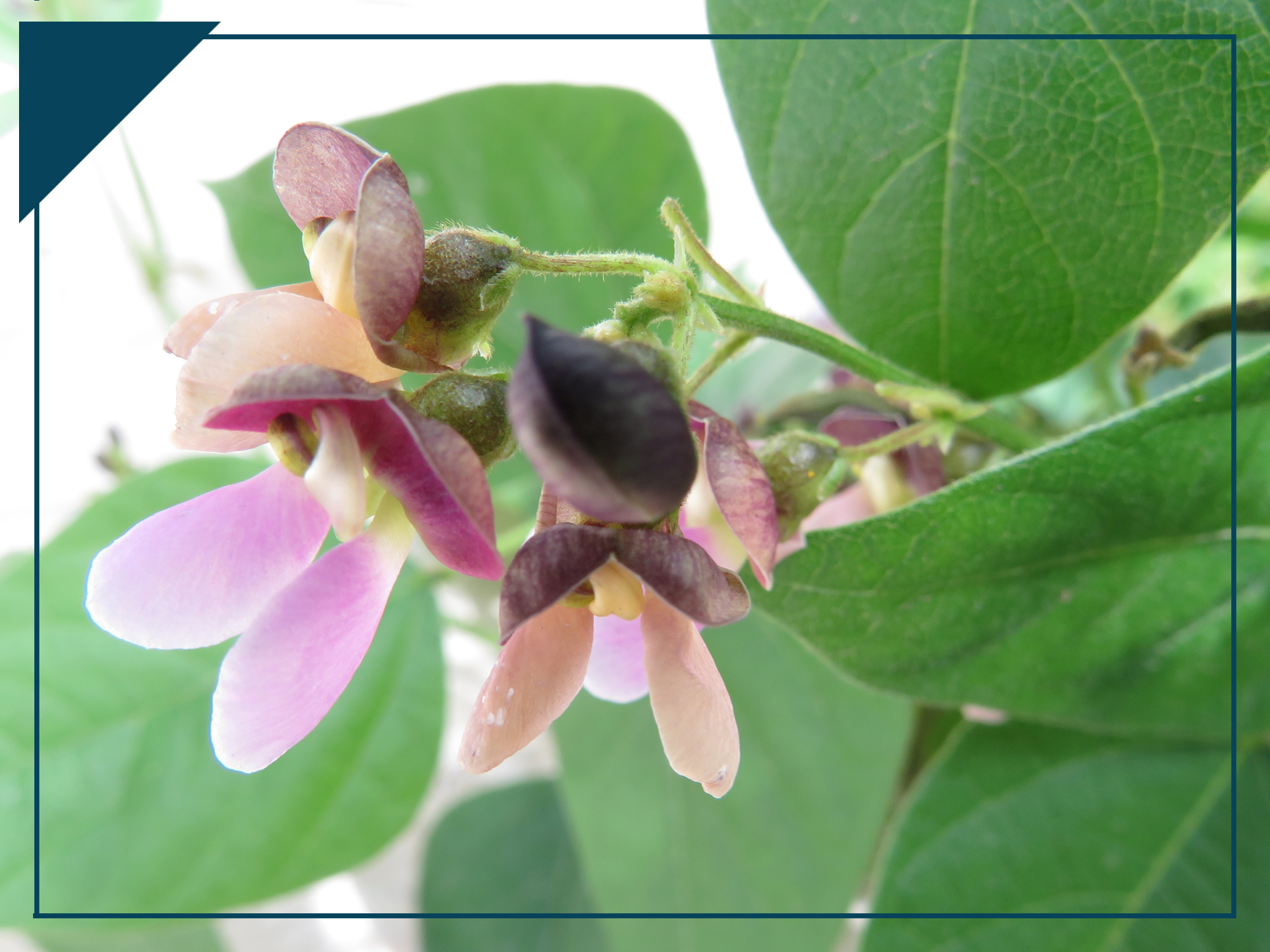
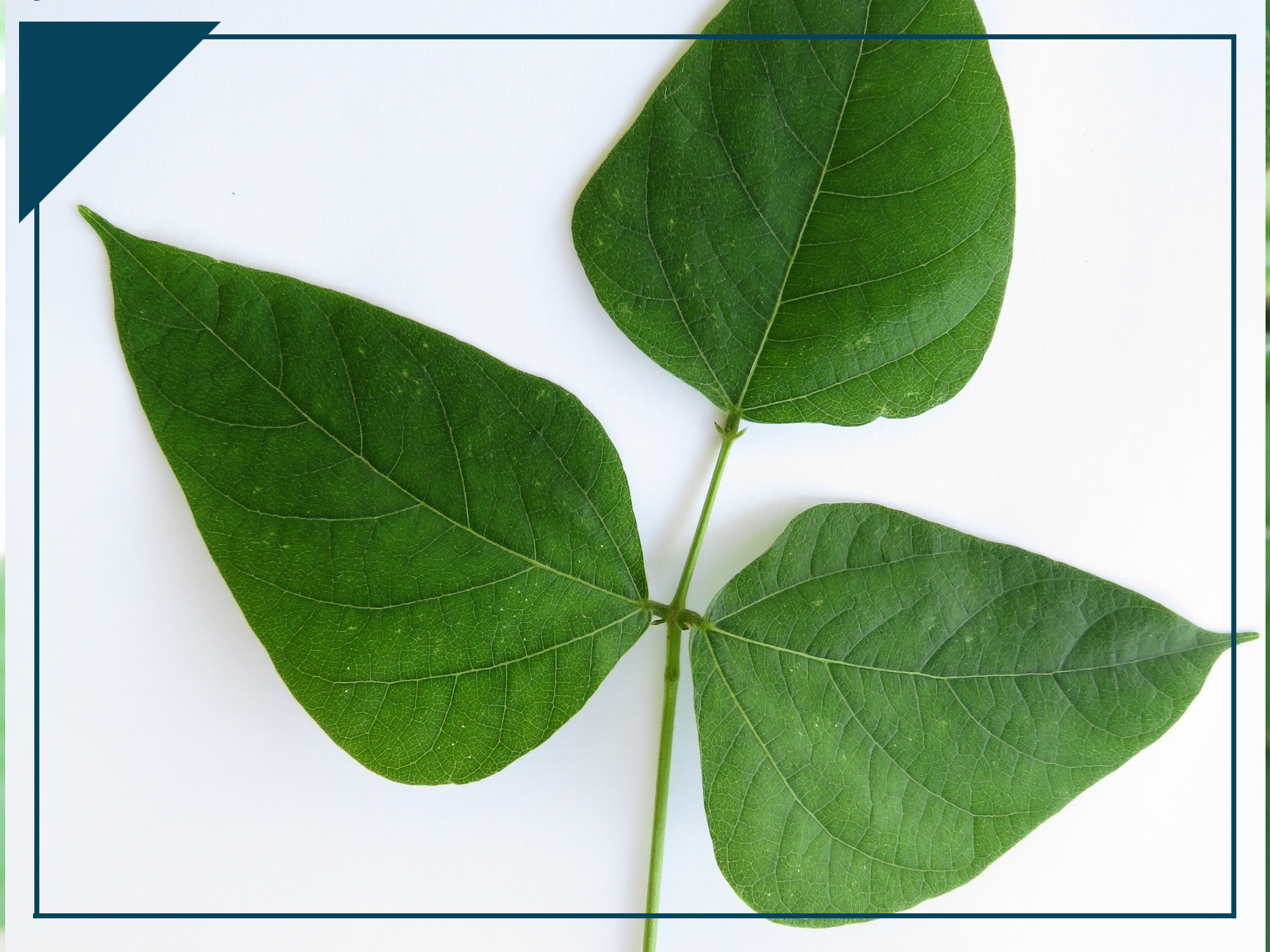
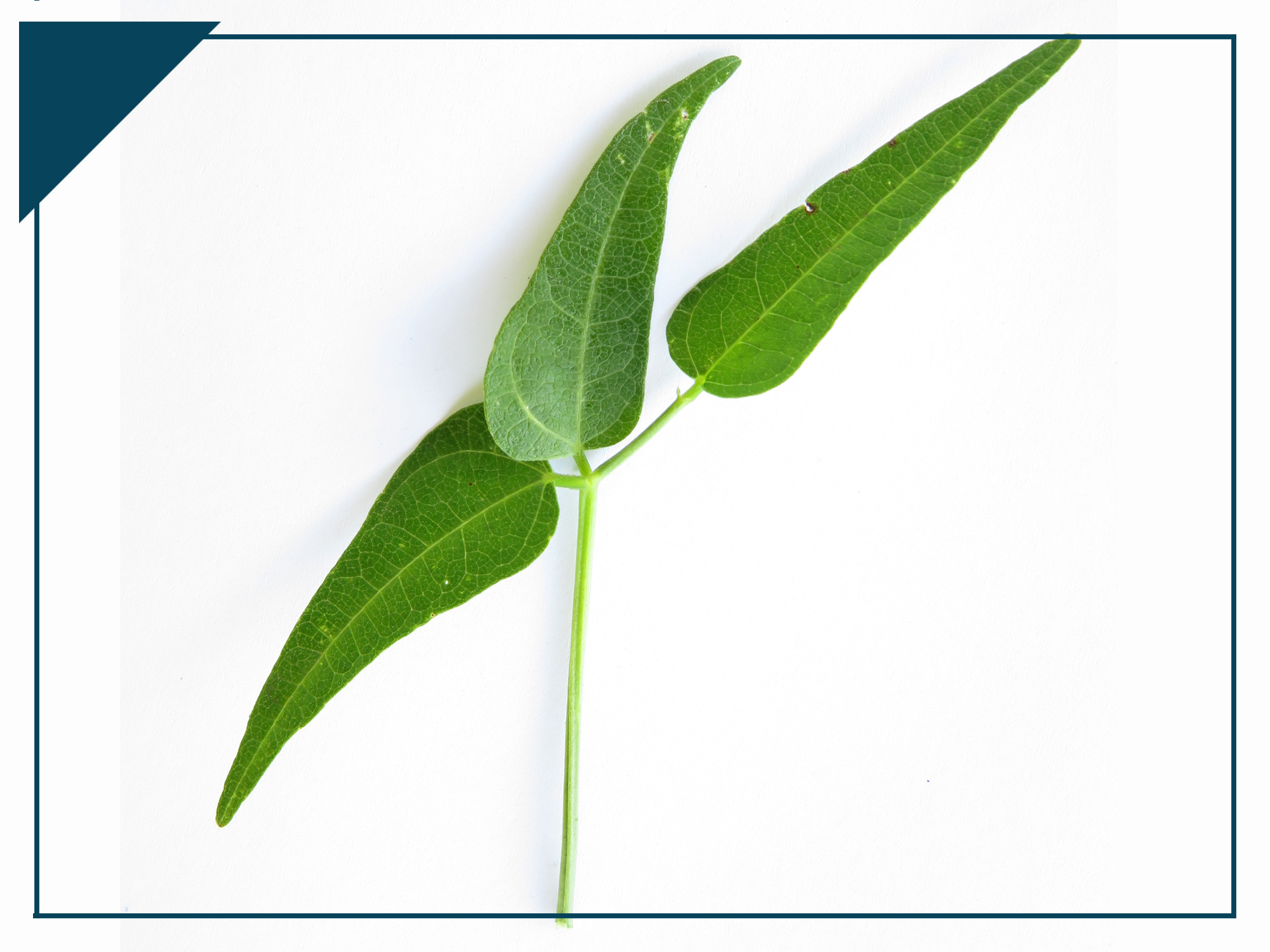
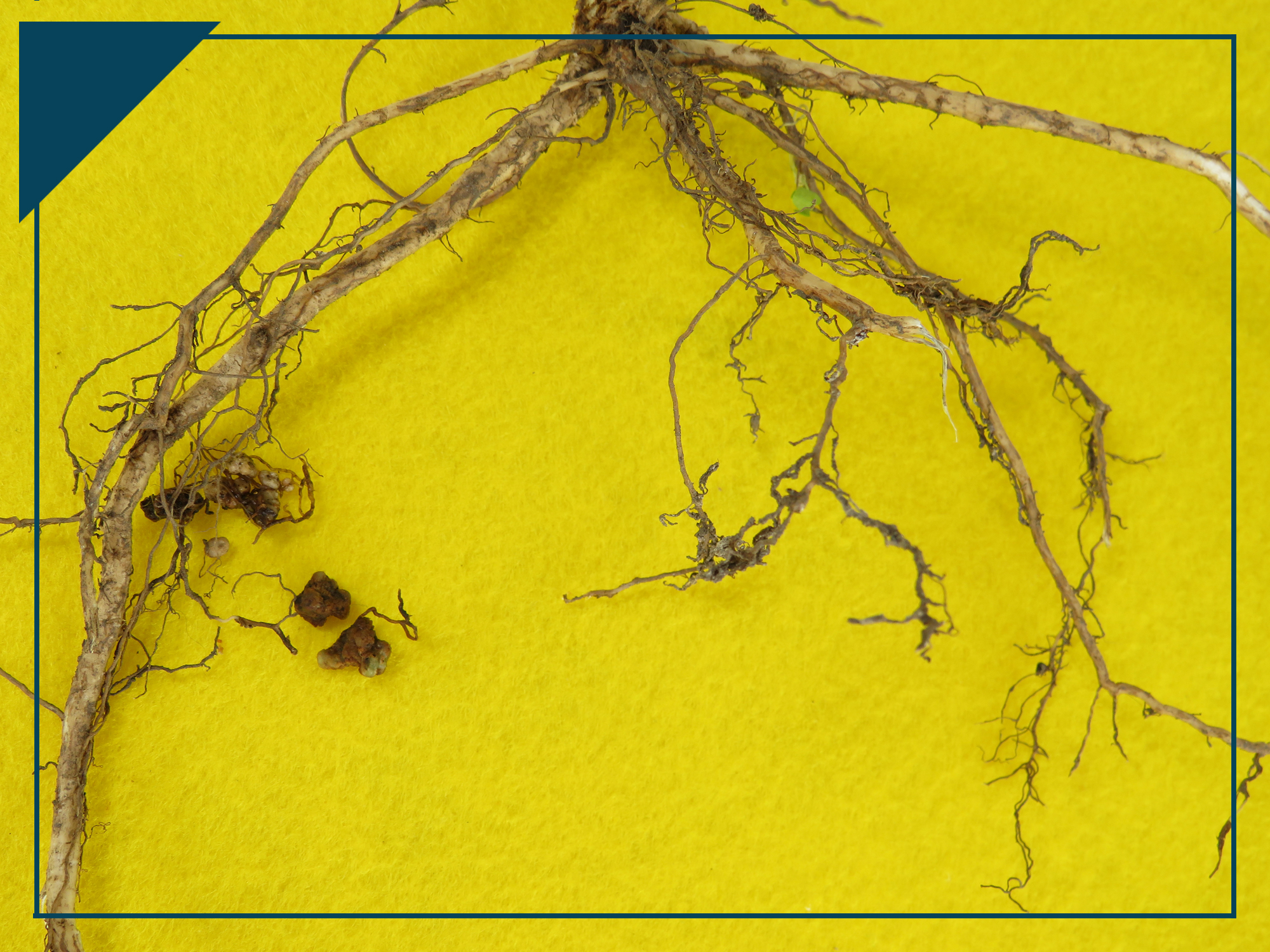
A Rede Internacional de Feijão-Fava (Red lunatus) é composta por um grupo de pesquisadores interessados no estudo do feijão-fava (Phaseolus lunatus L.). Em 2014, pesquisadores brasileiros e mexicanos iniciaram uma colaboração para estudar genótipos de feijão-fava do Brasil e do México; esta colaboração abordou aspectos relacionados a recursos genéticos, domesticação e fixação biológica de nitrogênio. Um dos principais resultados dessa colaboração foi a realização do "I Simpósio Internacional do Feijão-Fava", realizado em outubro de 2016 em Teresina, Brasil. Este simpósio durou dois dias e teve dois objetivos: reunir pesquisadores de instituições de ponta que trabalham com o feijão Lima no Brasil, México e Colômbia e aumentar os esforços de pesquisa para melhorar o conhecimento dessa espécie. Nos anos posteriores, buscou-se financiamento, sem sucesso, para a realização de um segundo encontro internacional. Somente em 2022, com o apoio da Universidade Central do Equador, da Corporação Equatoriana para o Desenvolvimento da Pesquisa e da Academia (CEDIA) e do Centro de Pesquisas Científicas de Yucatan, A.C., foi realizado o "II Simpósio Internacional de Feijão-Fava: Desafios e Perspectivas em Cenários de Mudanças Climáticas”, em Quito, Equador. Este evento contou com a presença de pesquisadores de diferentes instituições do Equador, Brasil, México, Colômbia, Peru, Estados Unidos e Itália, durou dois dias e enfocou quatro temas: conservação, origem e evolução, melhoramento e relação planta-microrganismos na rizosfera. Durante este simpósio foi tomada a decisão de criar a Rede Internacional de Feijão-Fava e, após várias reuniões de trabalho, foi estabelecida a data de 24 de agosto de 2022 como o início oficial da Red lunatus.
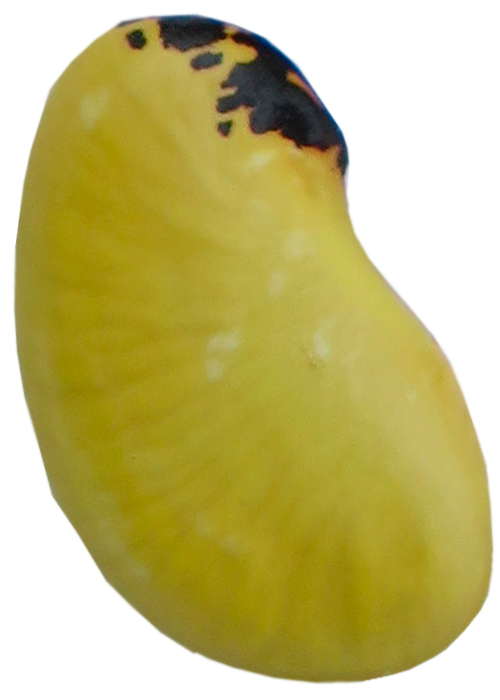
Agrobiodiversidade e Mudanças Climáticas
As mudanças climáticas e as atividades humanas estão contribuindo para a deterioração ambiental e a perda da biodiversidade globa. Populações de diferentes espécies terão que se adaptar localmente às mudanças climáticas, migrar para locais onde as condições sejam adequadas, ou então serão extintas. Entre os organismos que serão mais sensíveis às mudanças climáticas estão as espécies domesticadas, por pelo menos três razões: 1) a intensidade da seleção artificial é tão intensa que tende a expurgar a diversidade genética das espécies domesticadas; Este “custo de domesticação” faz com que as espécies cultivadas tenham baixa diversidade genética, pequenos tamanhos populacionais e alto acúmulo de carga genômica; 2) durante a domesticação, as características de interesse humano são frequentemente selecionadas, enquanto as características fisiológicas são frequentemente controladas pelo produtor; 3) as espécies cultivadas são geograficamente delimitadas e seu potencial de migração para locais adequados dependeria do manejo humano, o que exigiria o desmatamento da vegetação natural e, por sua vez, uma intensificação do aquecimento global. O conjunto destas três razões dificulta que as espécies domesticadas tenham capacidade de adaptação às novas condições climáticas e, por isso, é importante desenhar estratégias alternativas para a sua gestão e conservação, uma vez que a nossa alimentação no futuro dependerá fortemente dos cultivos das espécies.
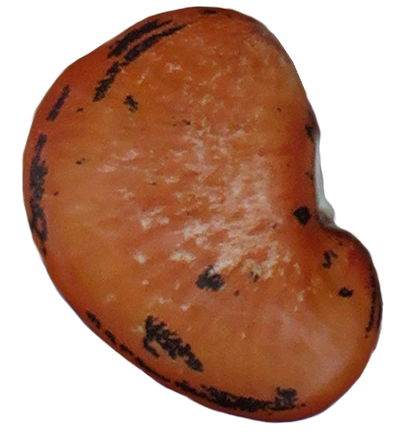
Em relação à espécie de interesse da Red lunatus, o feijão-fava na última década adquiriu maior relevância mundial. Em parte, isso foi resultado de uma crescente preocupação com a segurança alimentar diante dos problemas de produção de grãos de feijão causados pelas mudanças climáticas, e também porque o feijão-fava tem uma gama maior de adaptações ecológicas do que o observado no feijão comum (P. vulgaris), o que sugere a existência de uma base genética mais ampla para uso em programas de melhoramento. O estudo dos efeitos das mudanças climáticas no feijão-fava faz parte de três das coordenações existentes na Red lunatus. Por um lado, estudos de genômica populacional e adaptação local contribuem para o entendimento da "Origem e Evolução" das espécies; em segundo lugar, as informações sobre adaptação local e mudanças climáticas permitem identificar quais populações serão vulneráveis às mudanças climáticas e, assim, coordenar sua "Conservação". Finalmente, a identificação de populações resistentes às mudanças climáticas permitirá projetos de “Melhoramento” de populações suscetíveis às mudanças climáticas. O objetivo final do estudo dos efeitos das mudanças climáticas no feijão-fava é realizar pesquisas de fronteira que permitam apoiar a conservação e permanência dos sistemas agrícolas tradicionais da espécie e, assim, contribuir para a segurança alimentar humana no futuro.
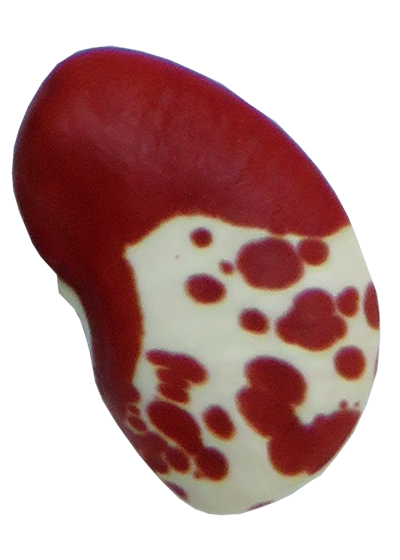
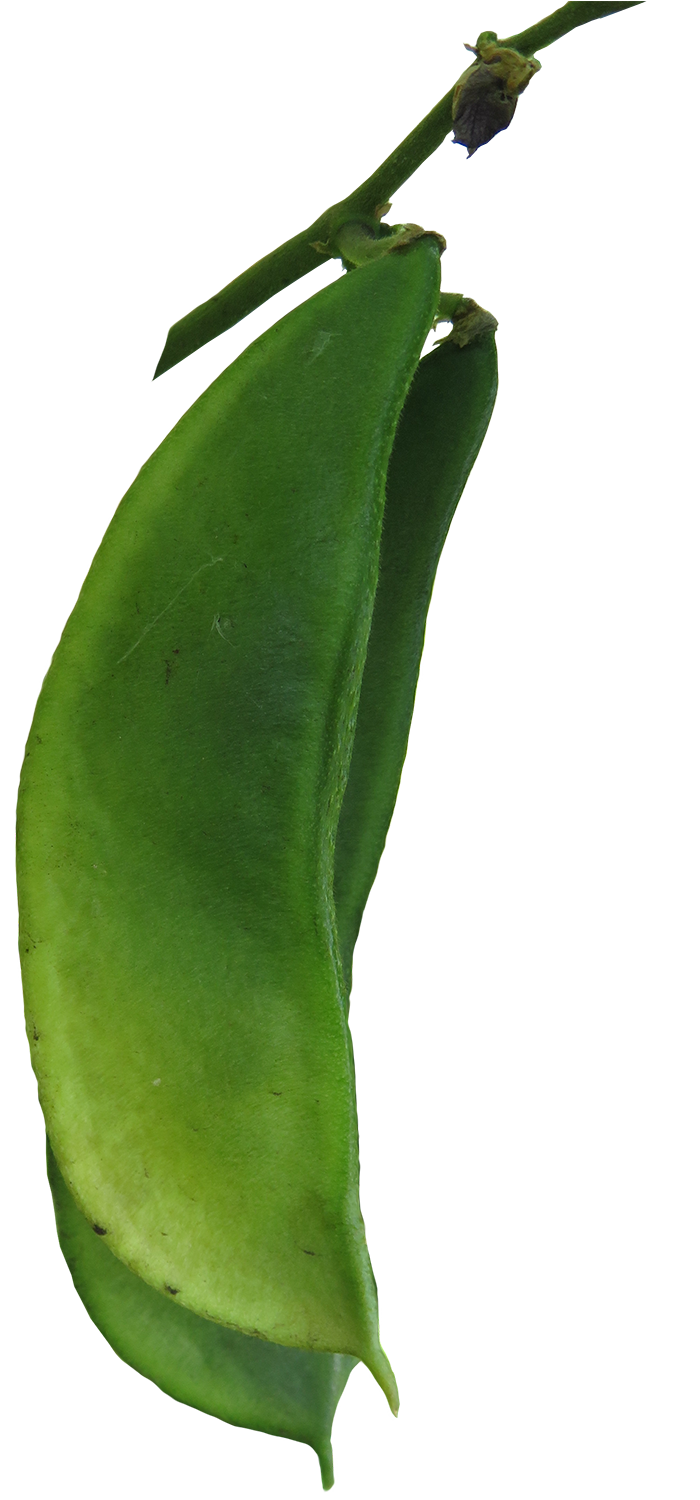
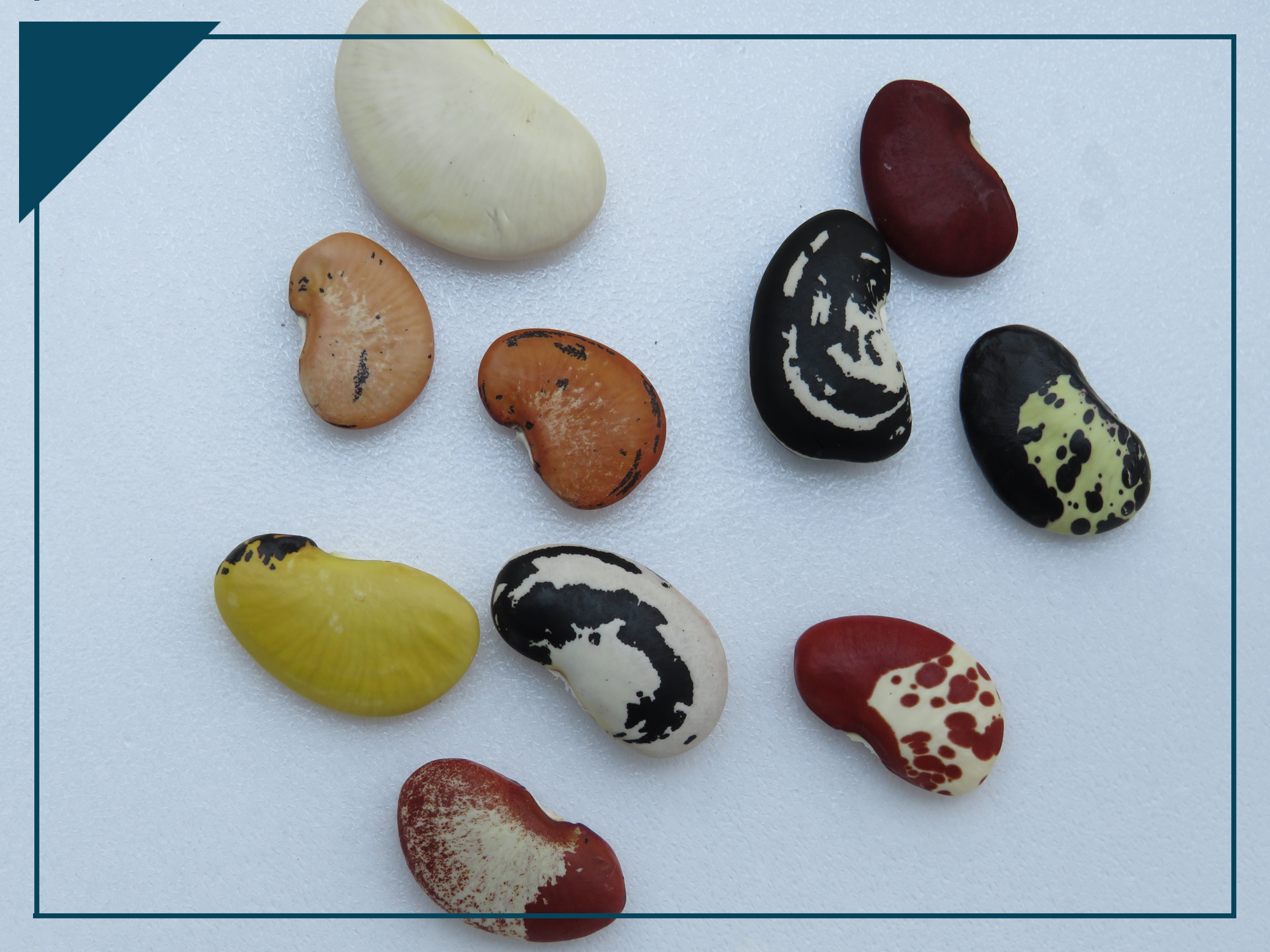
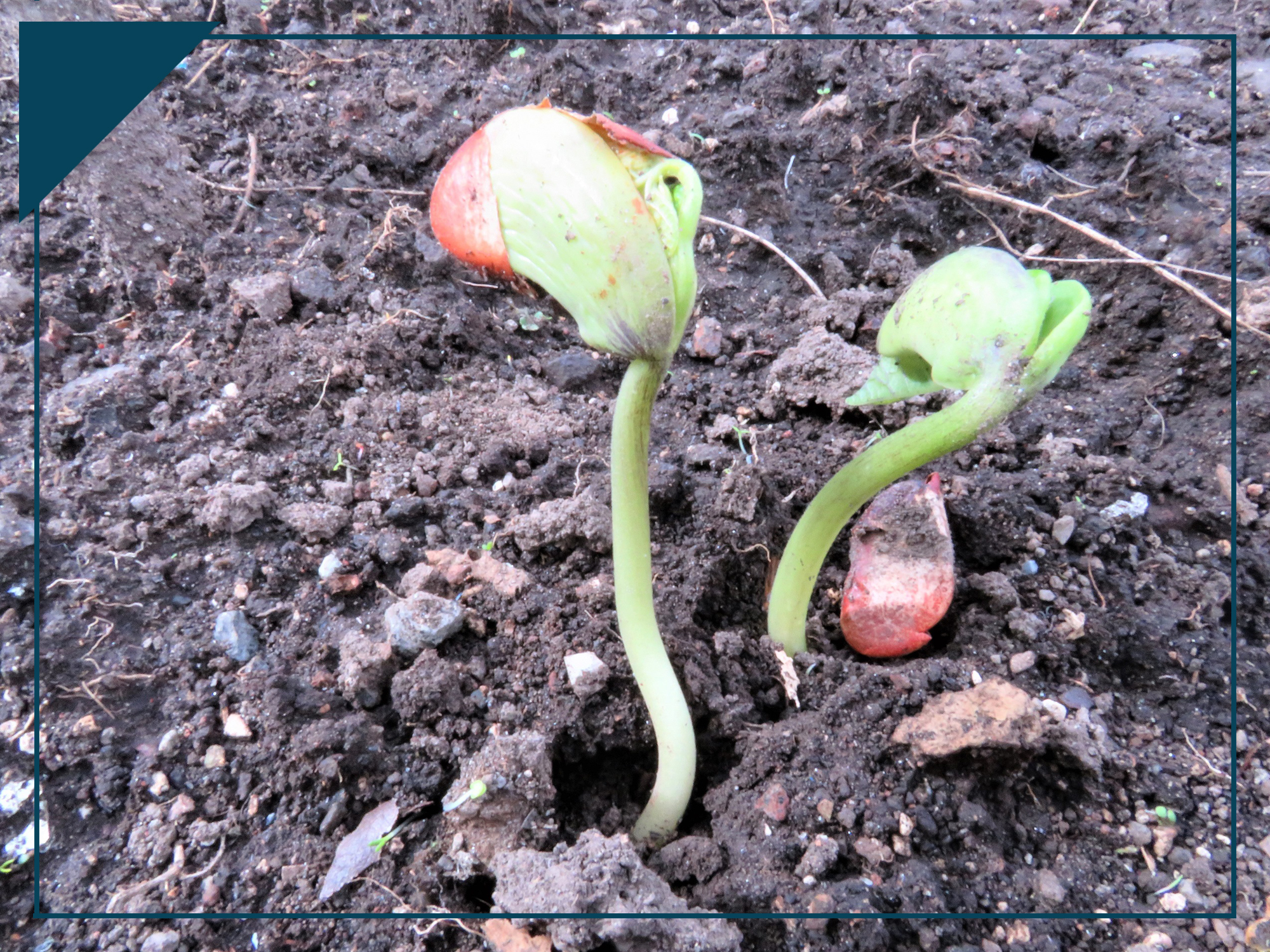
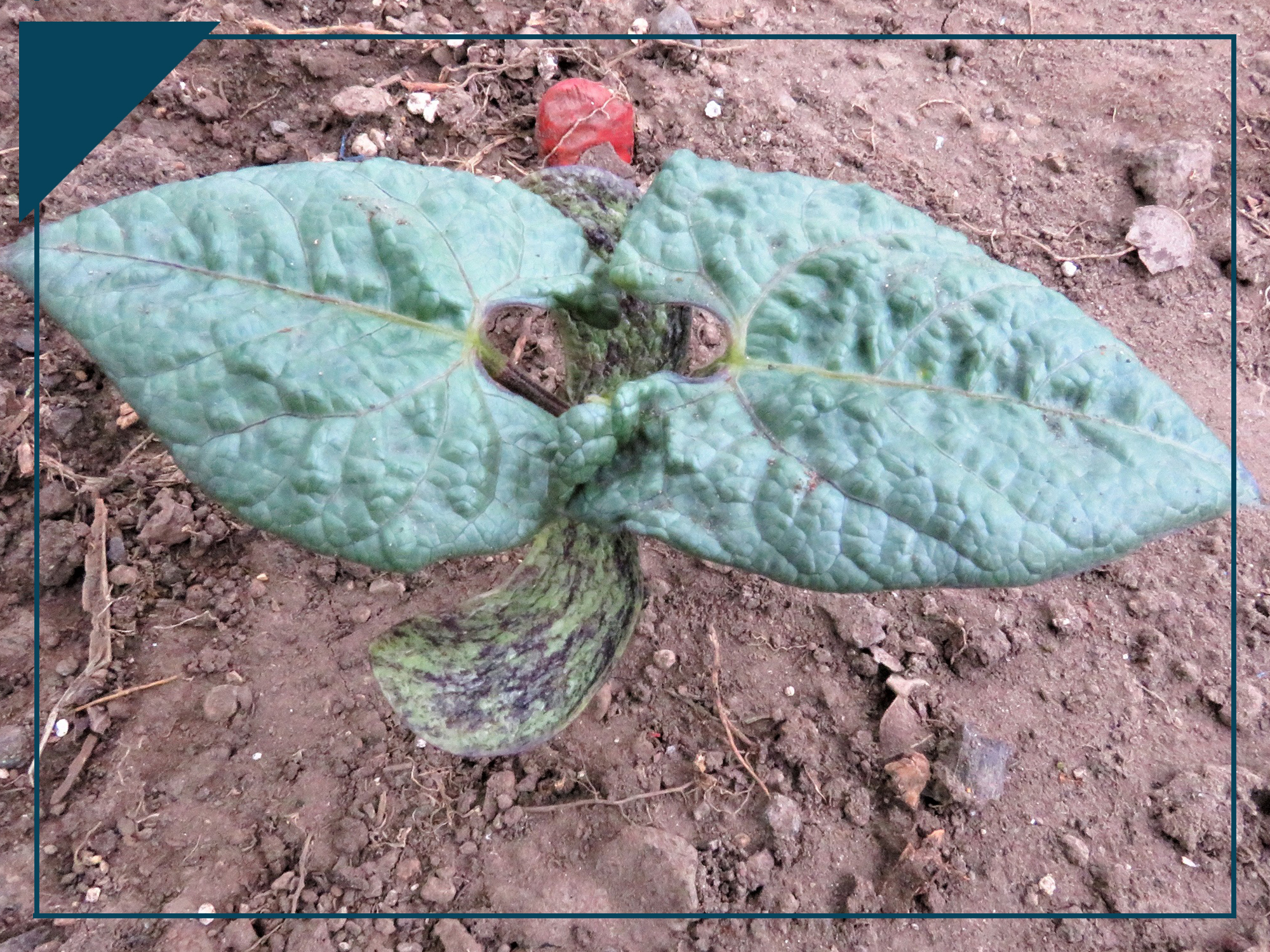
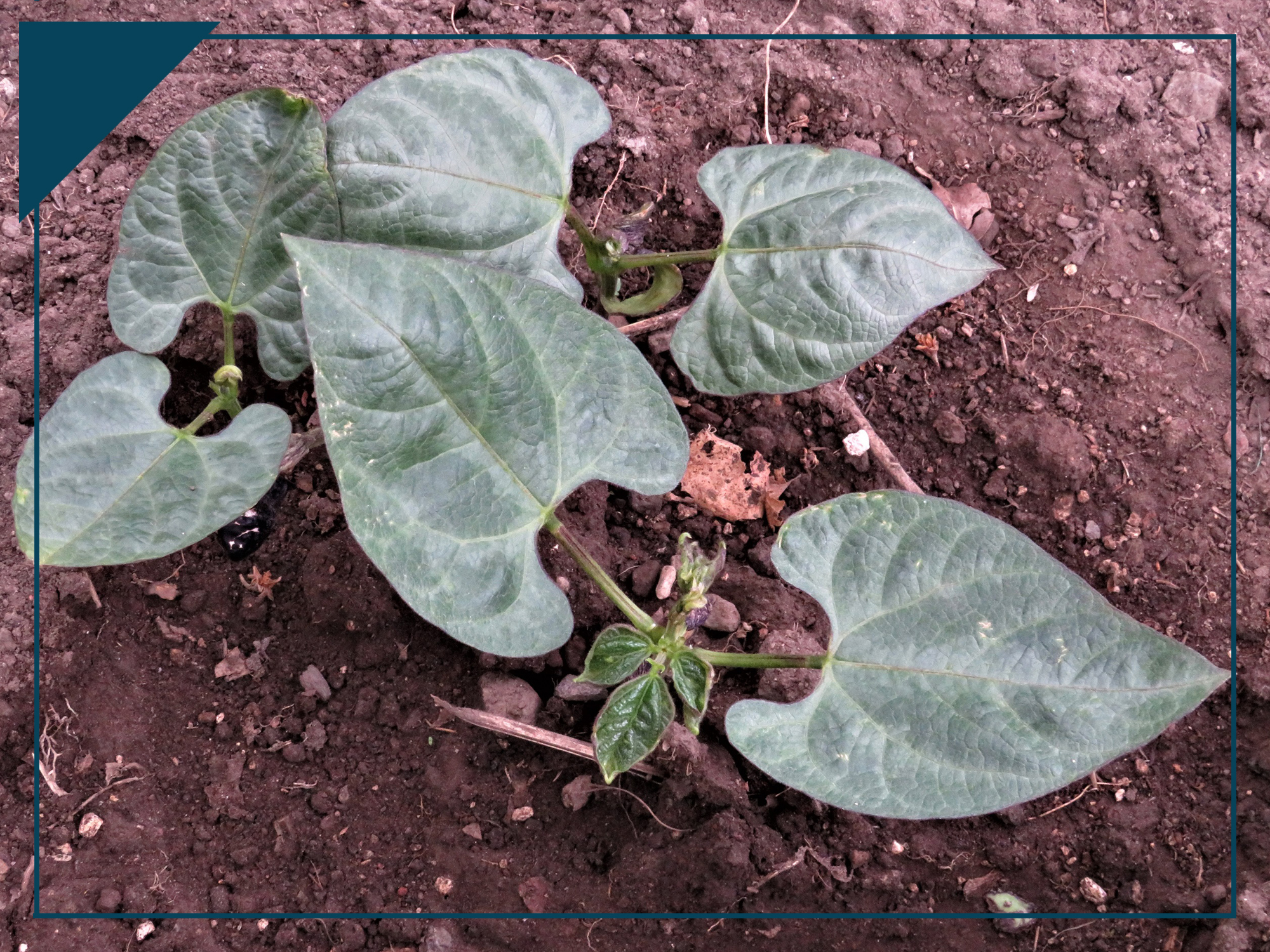
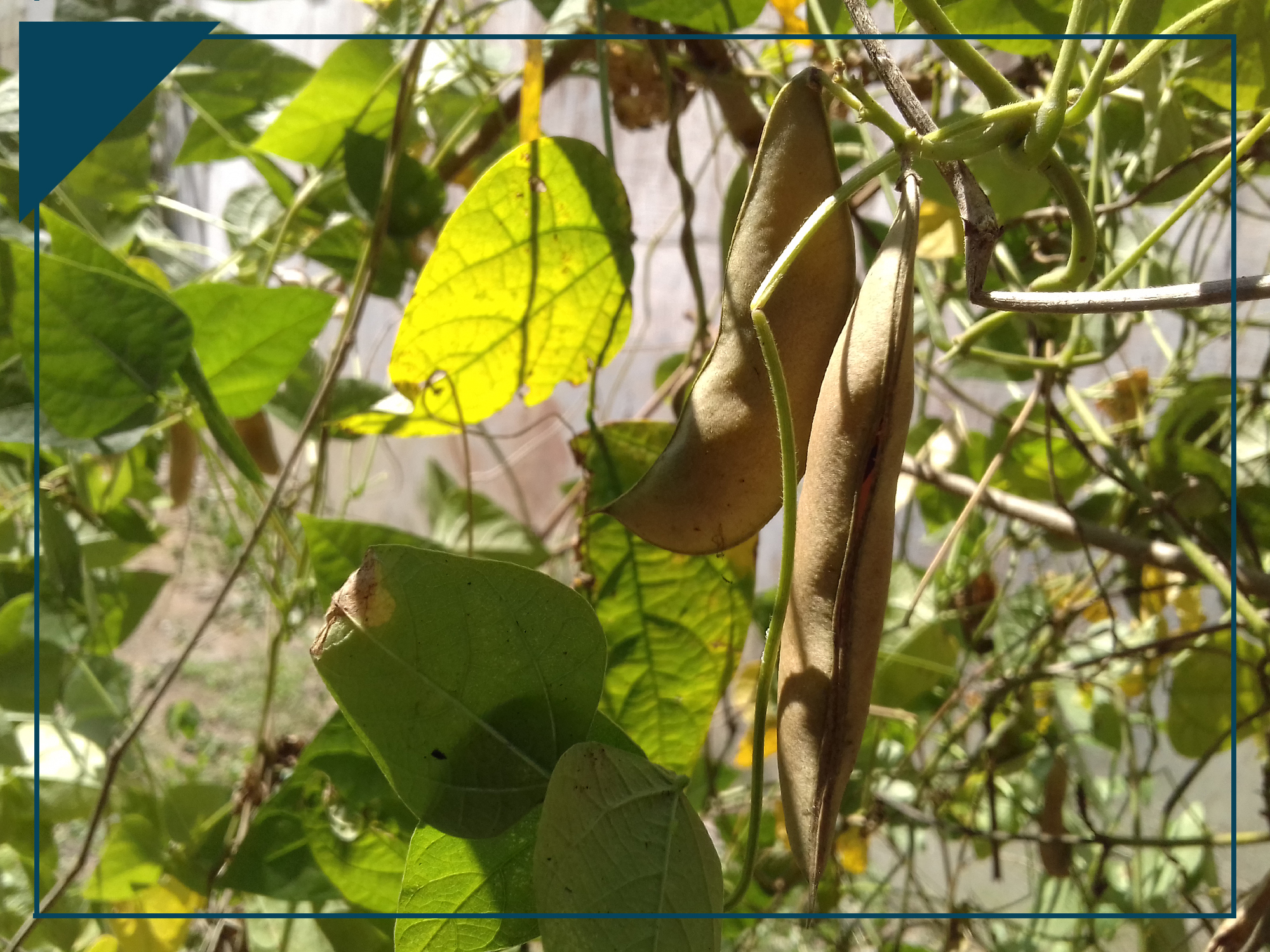
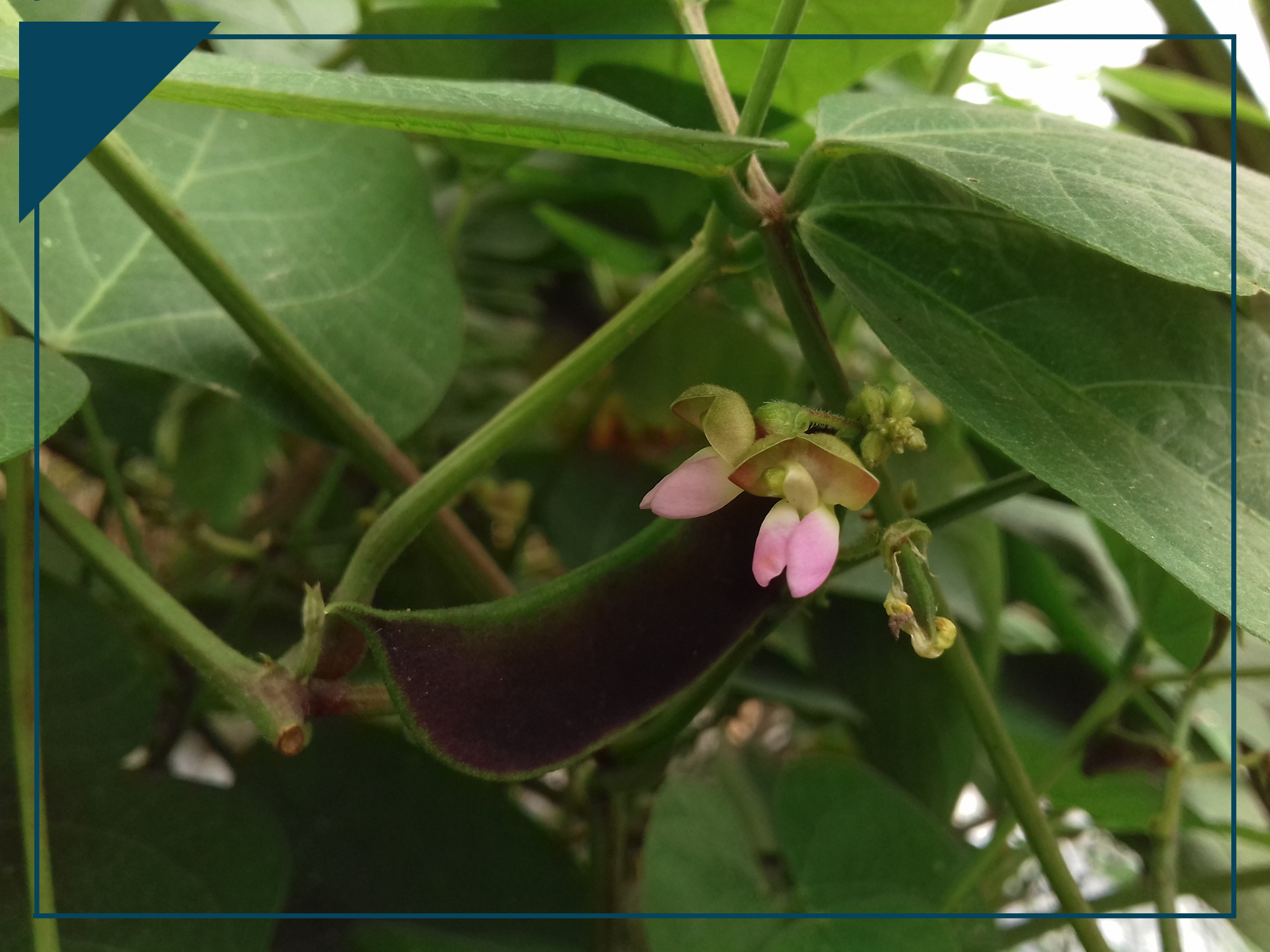
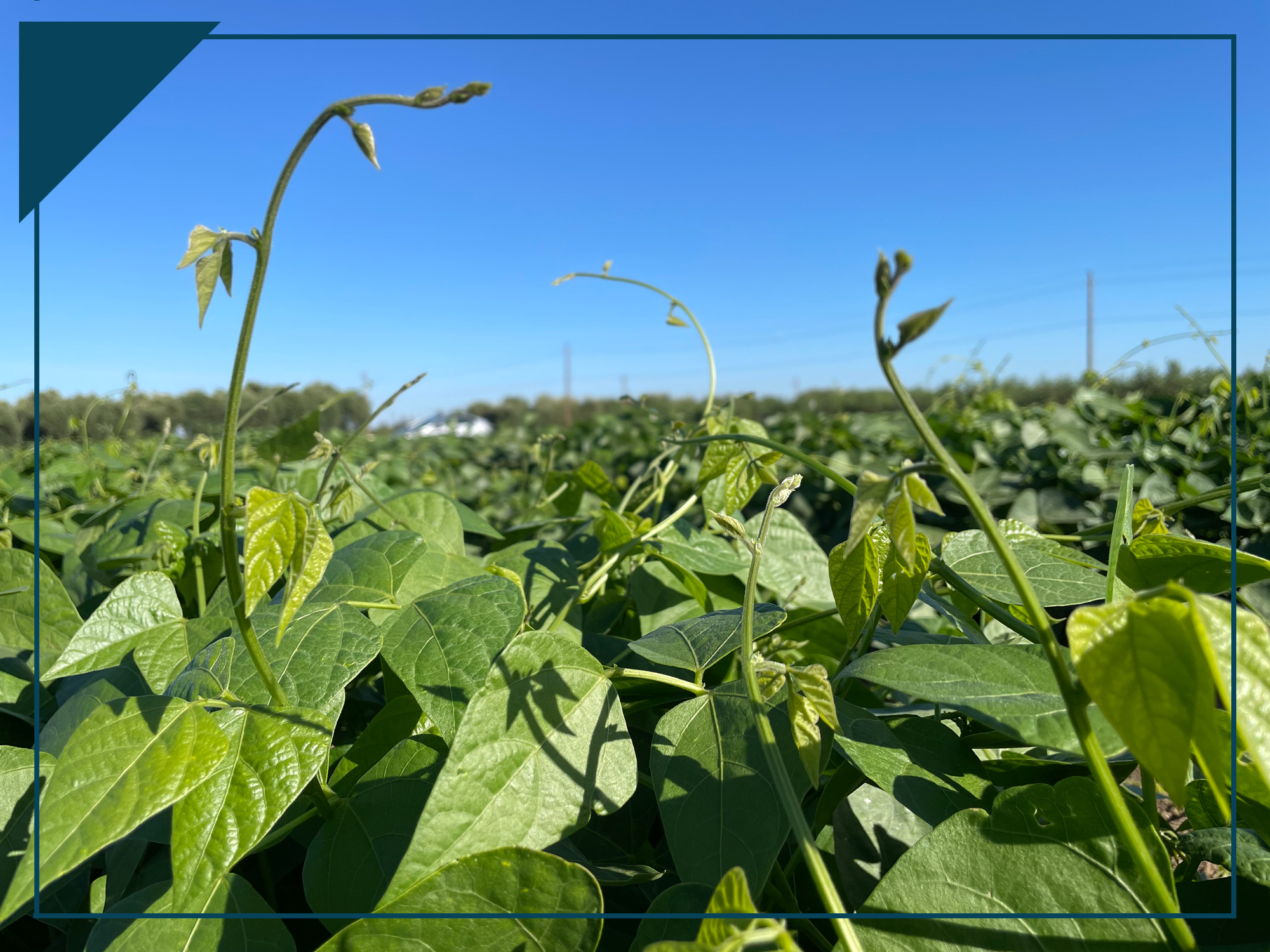
Feijão-fava (Phaseolus lunatus L.)
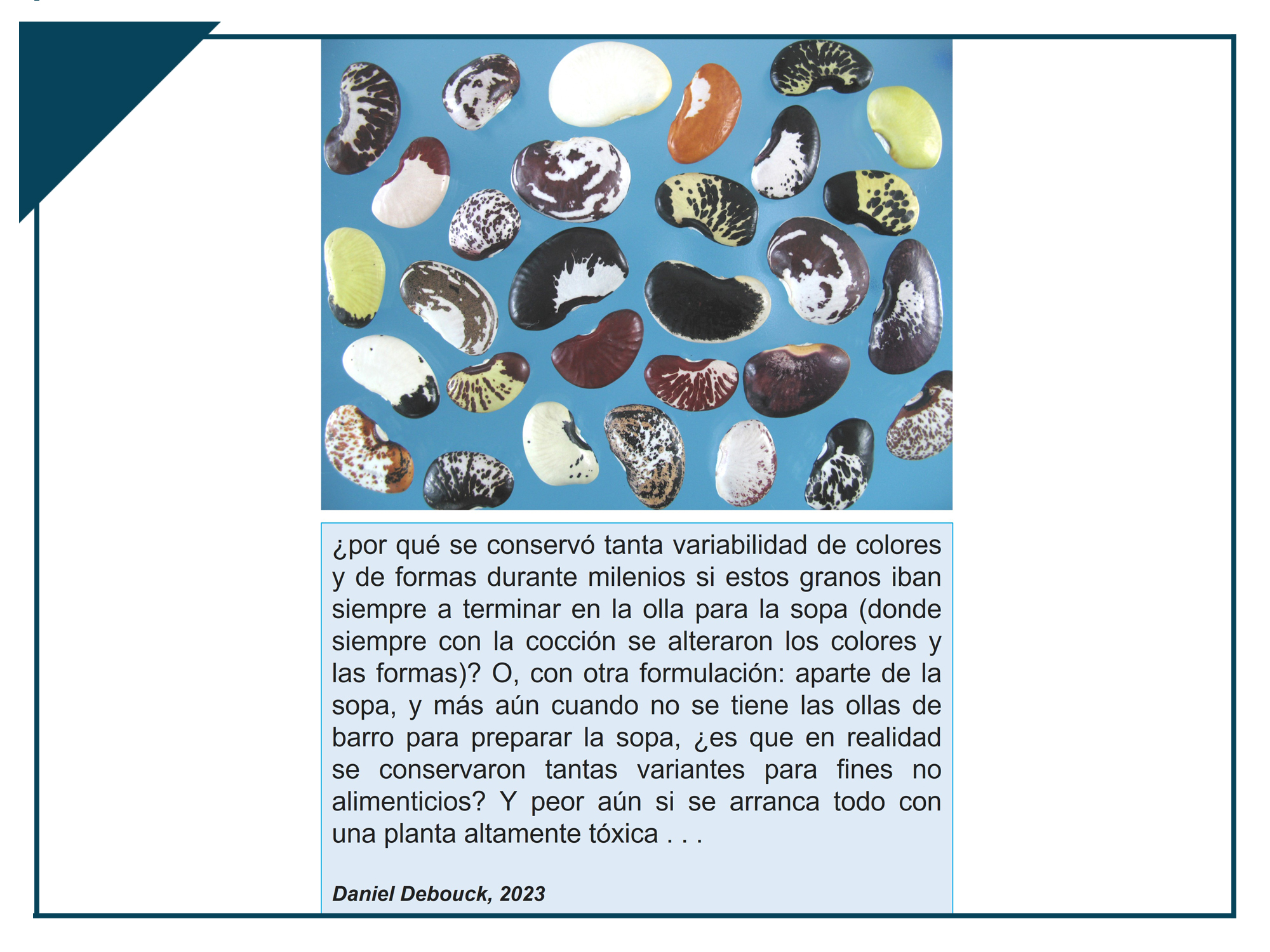
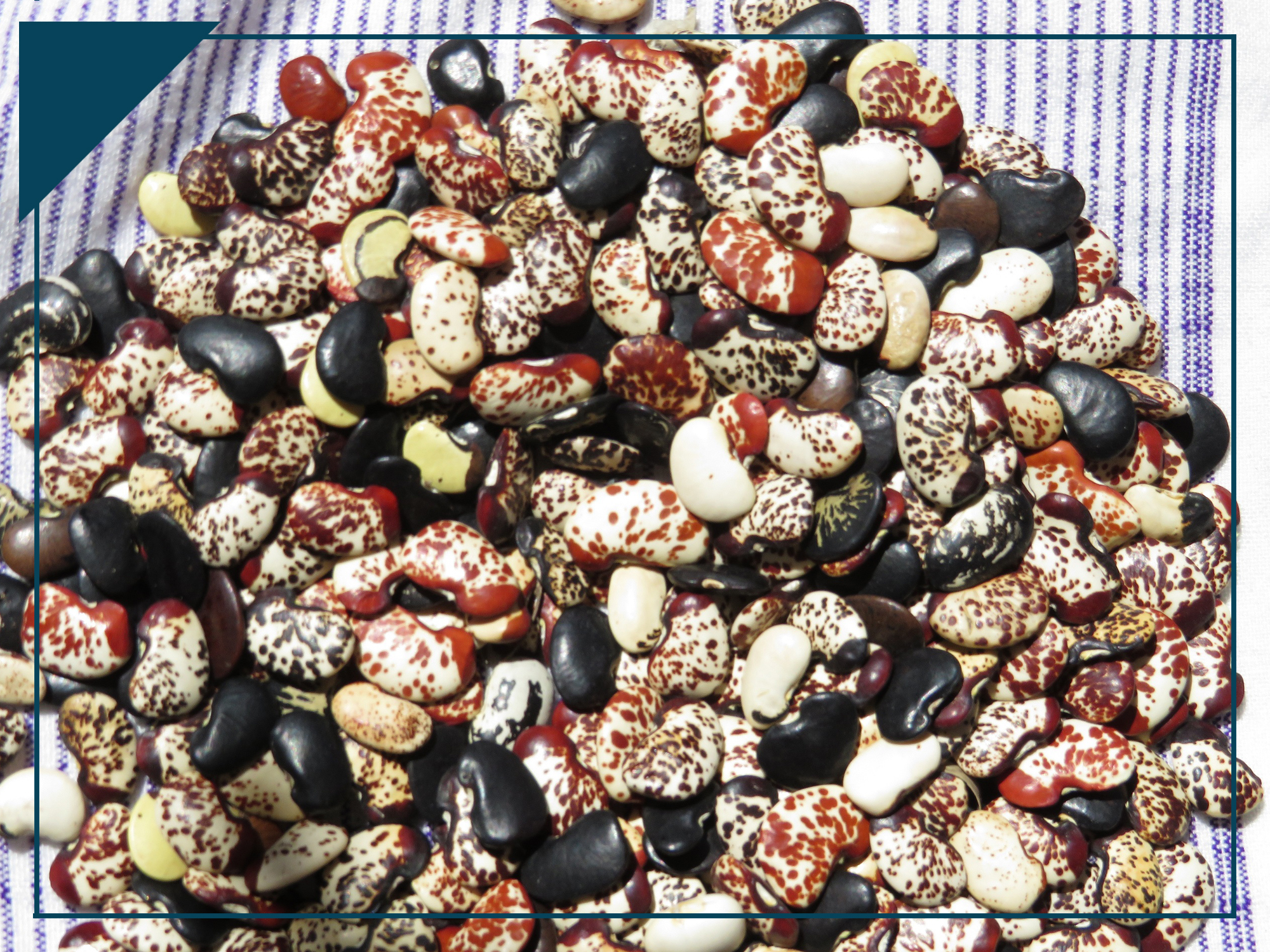
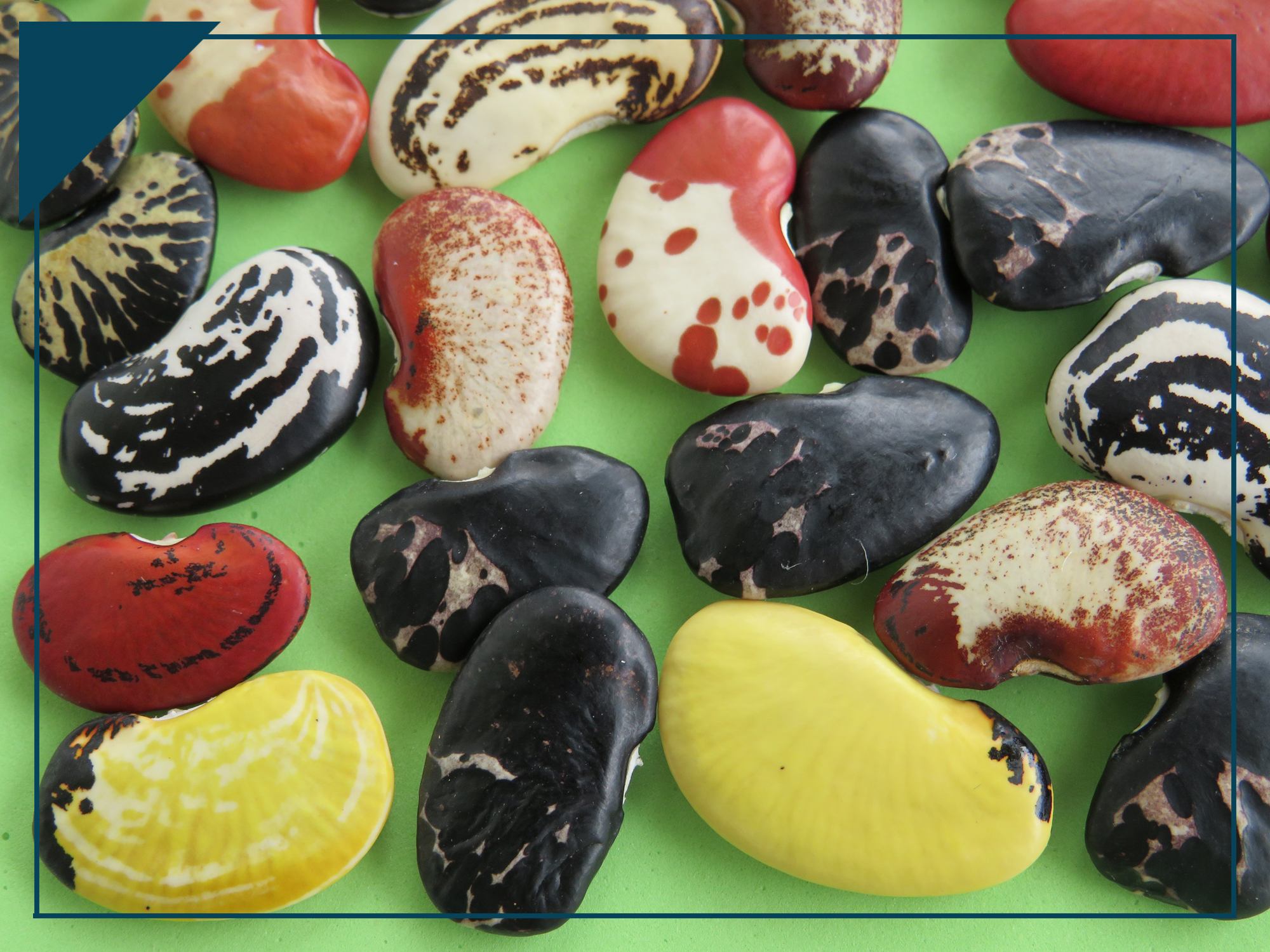
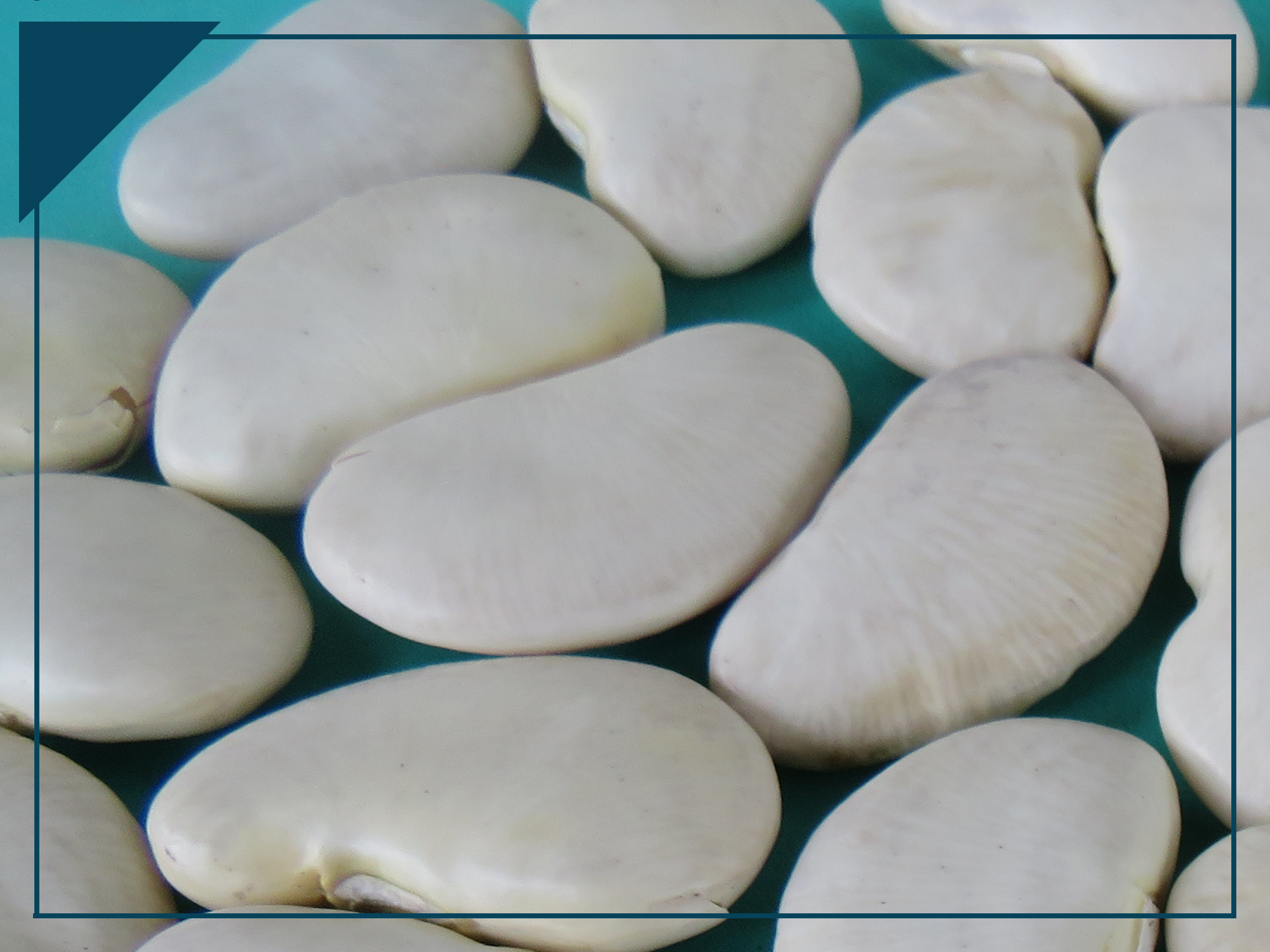
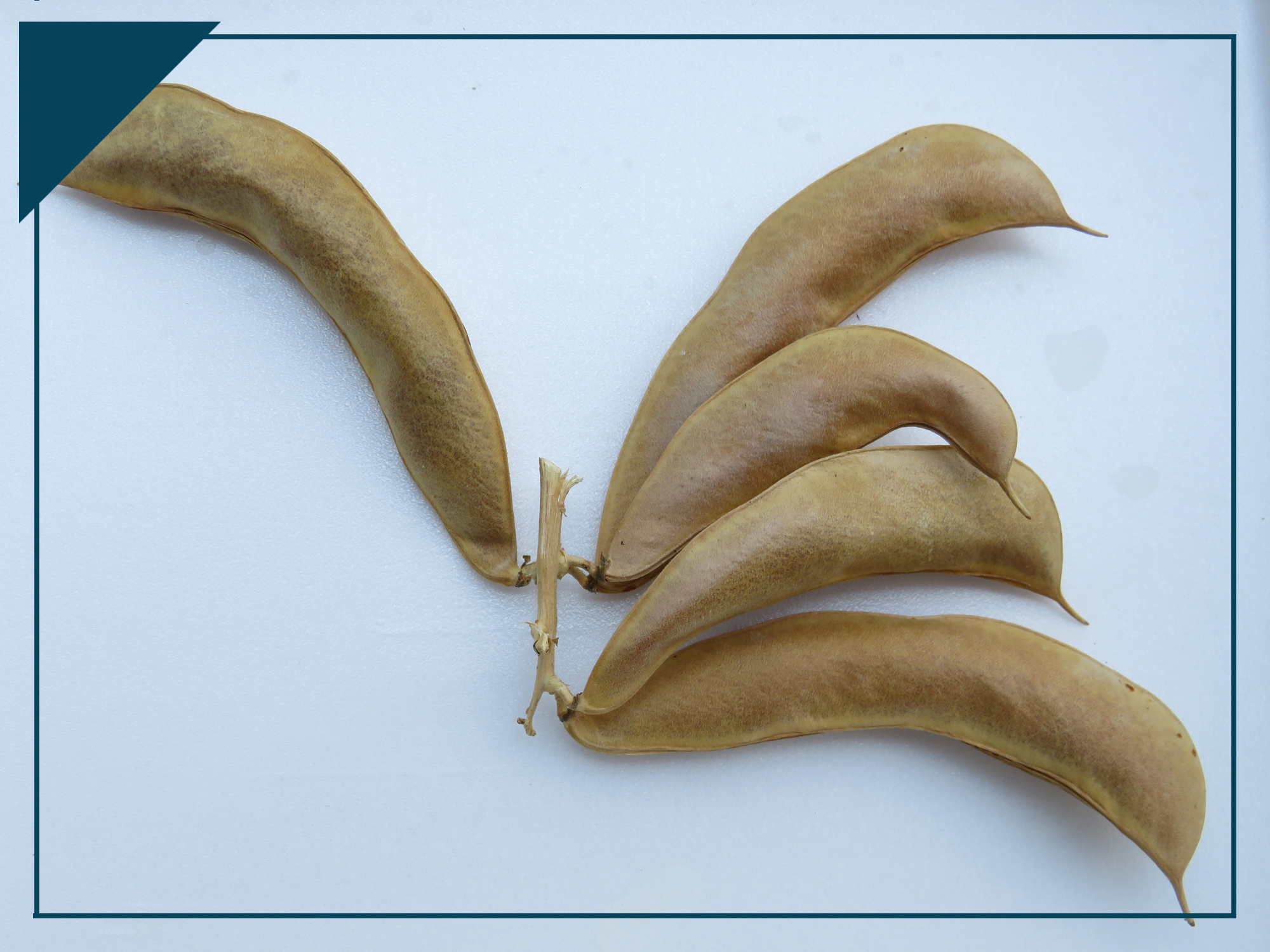
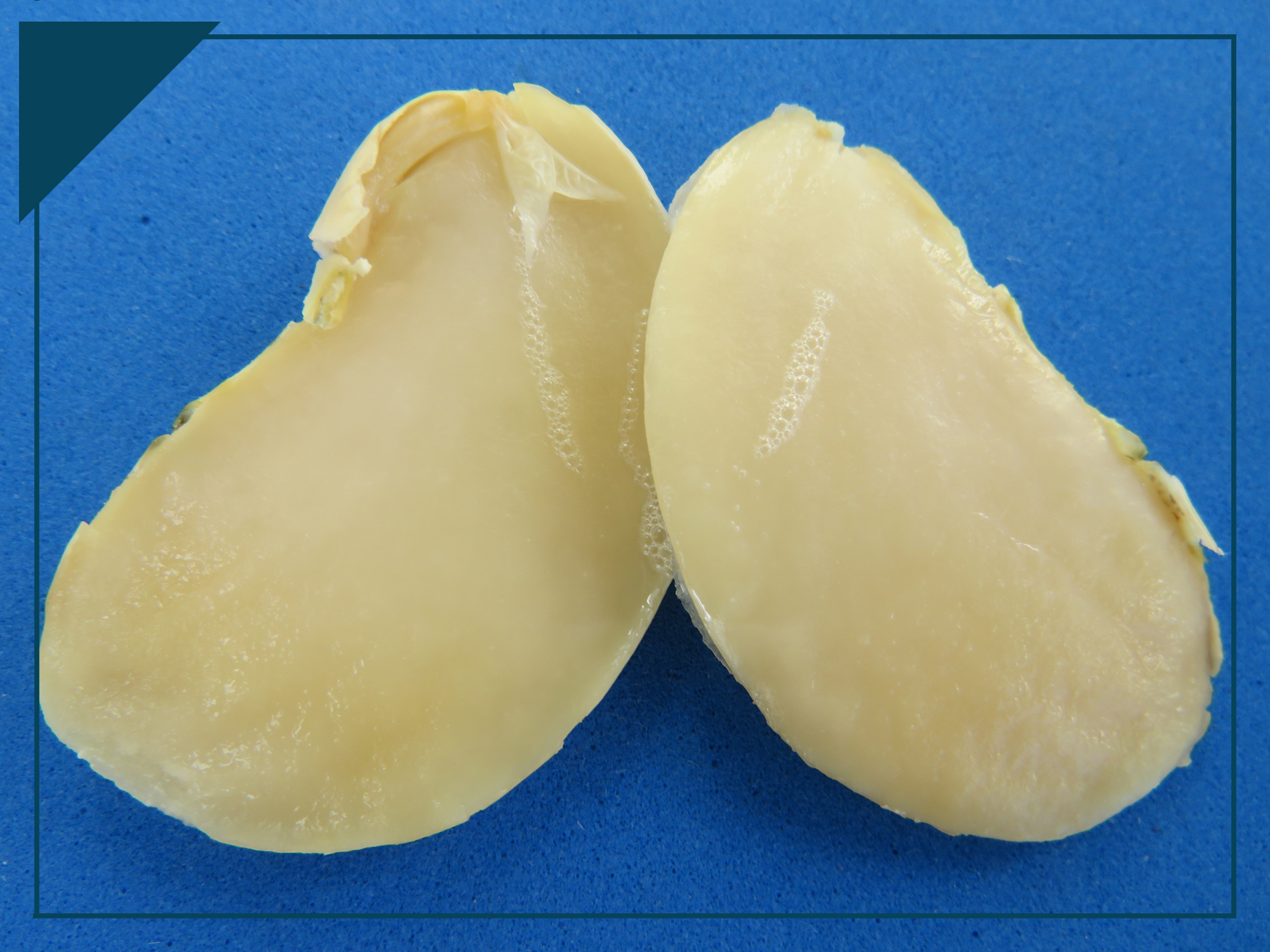
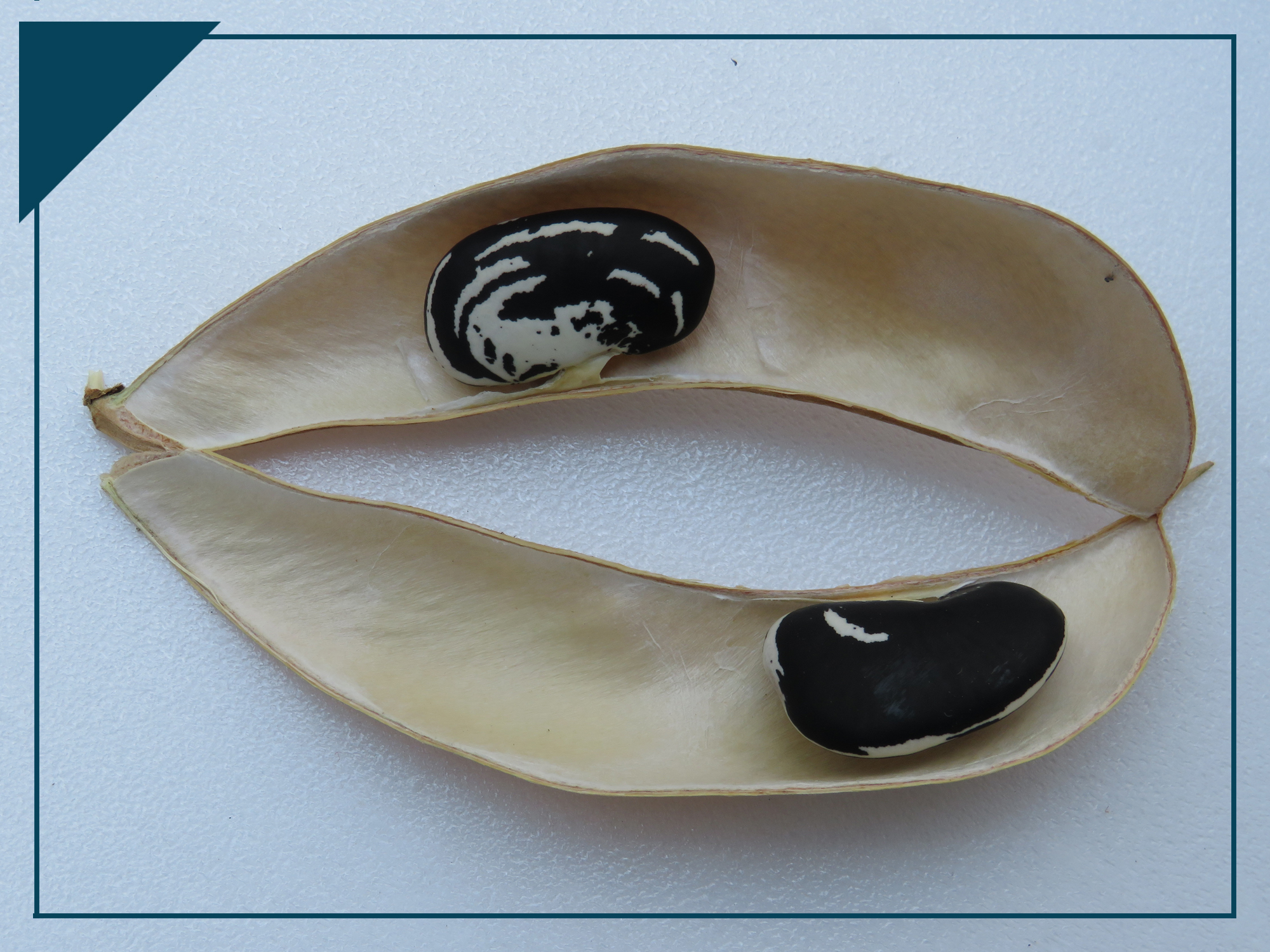
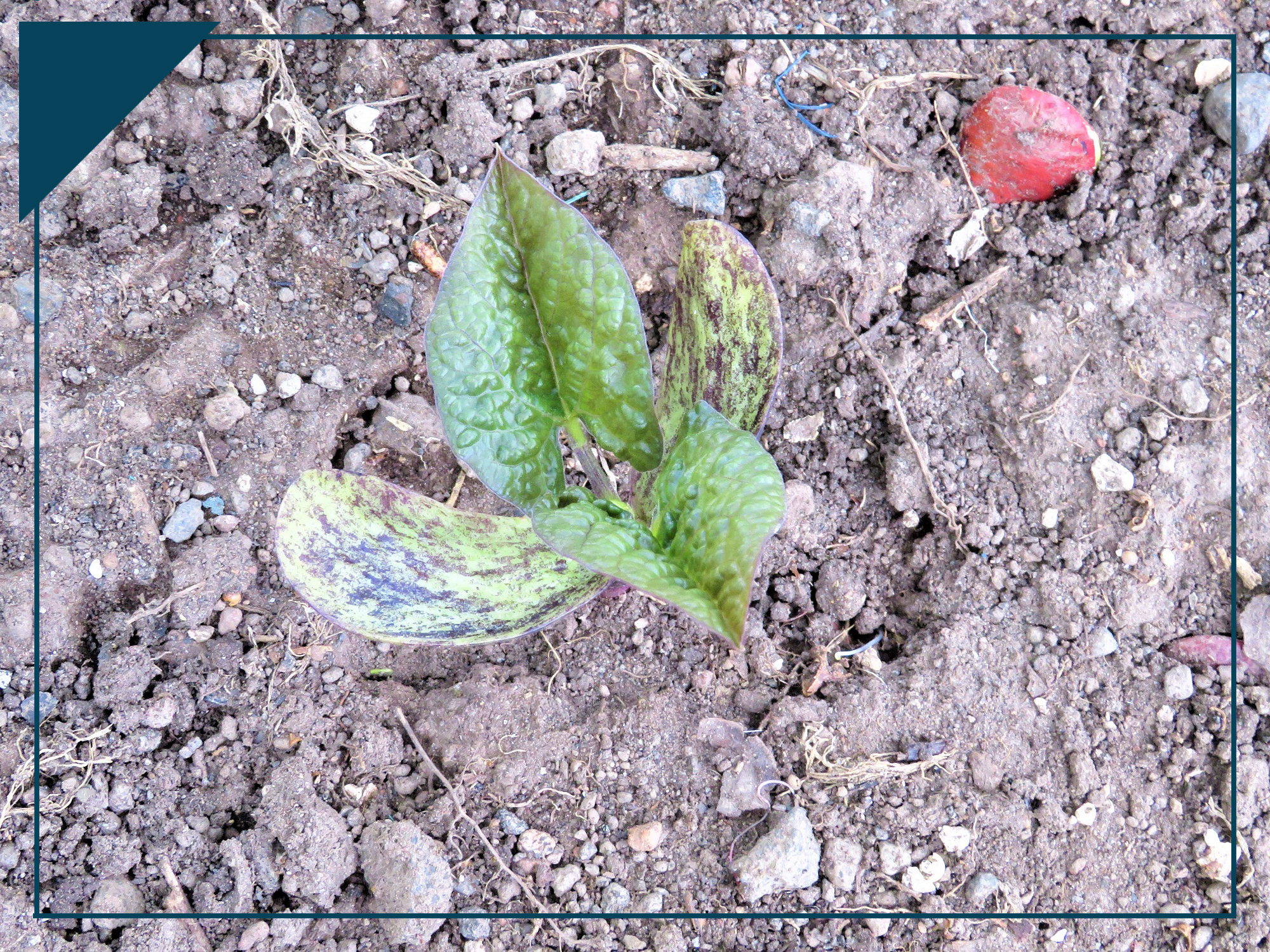
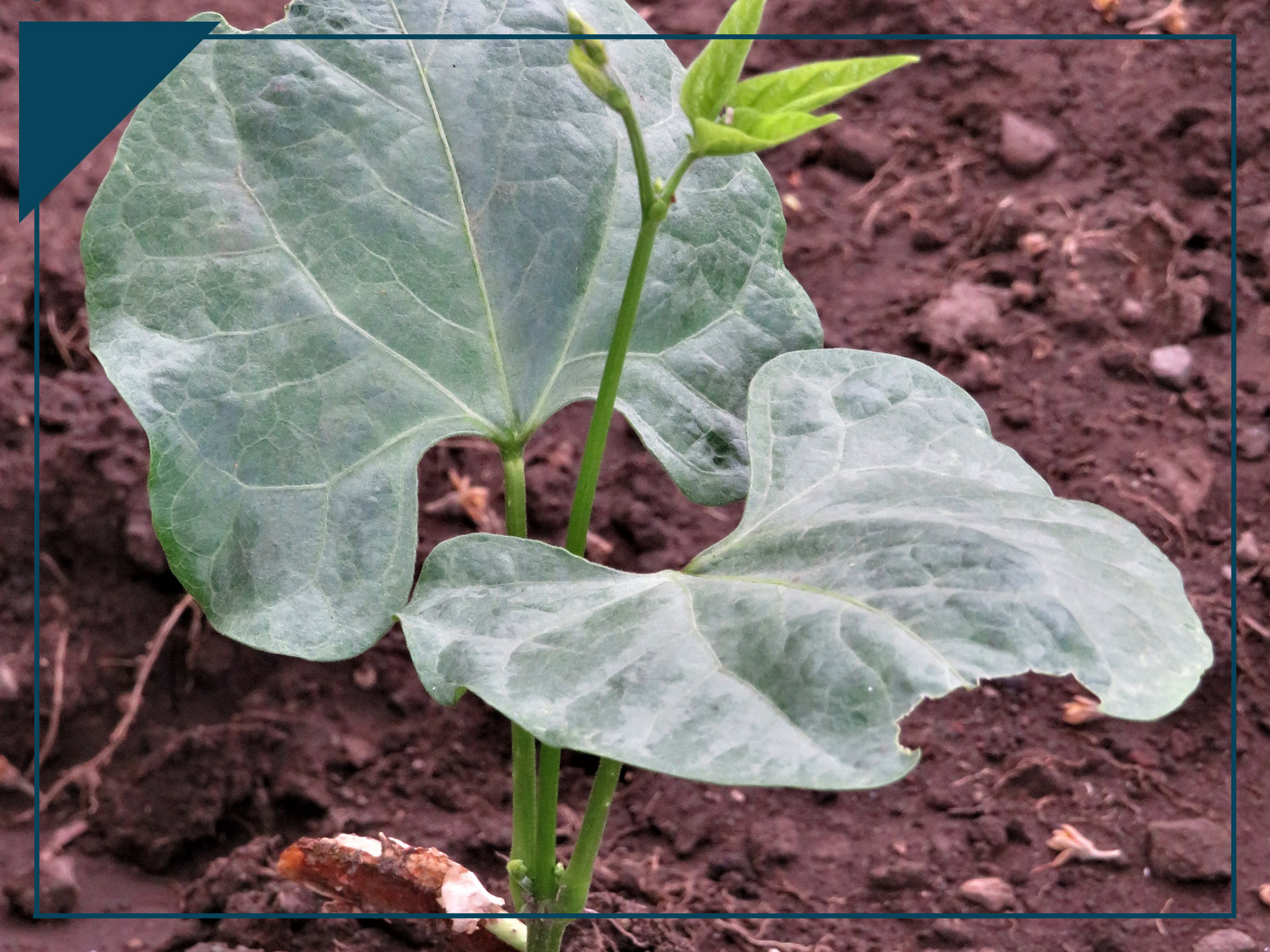
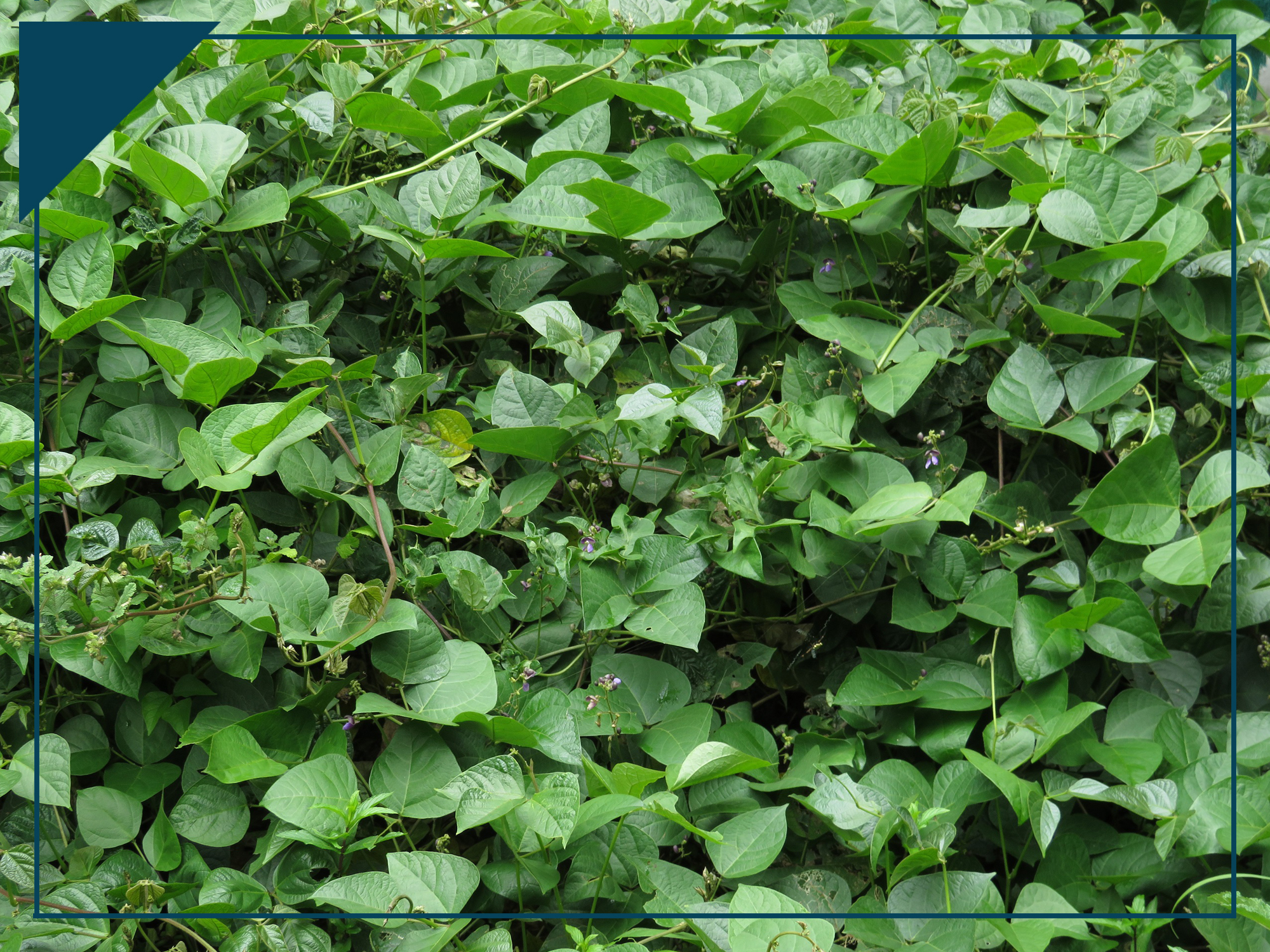
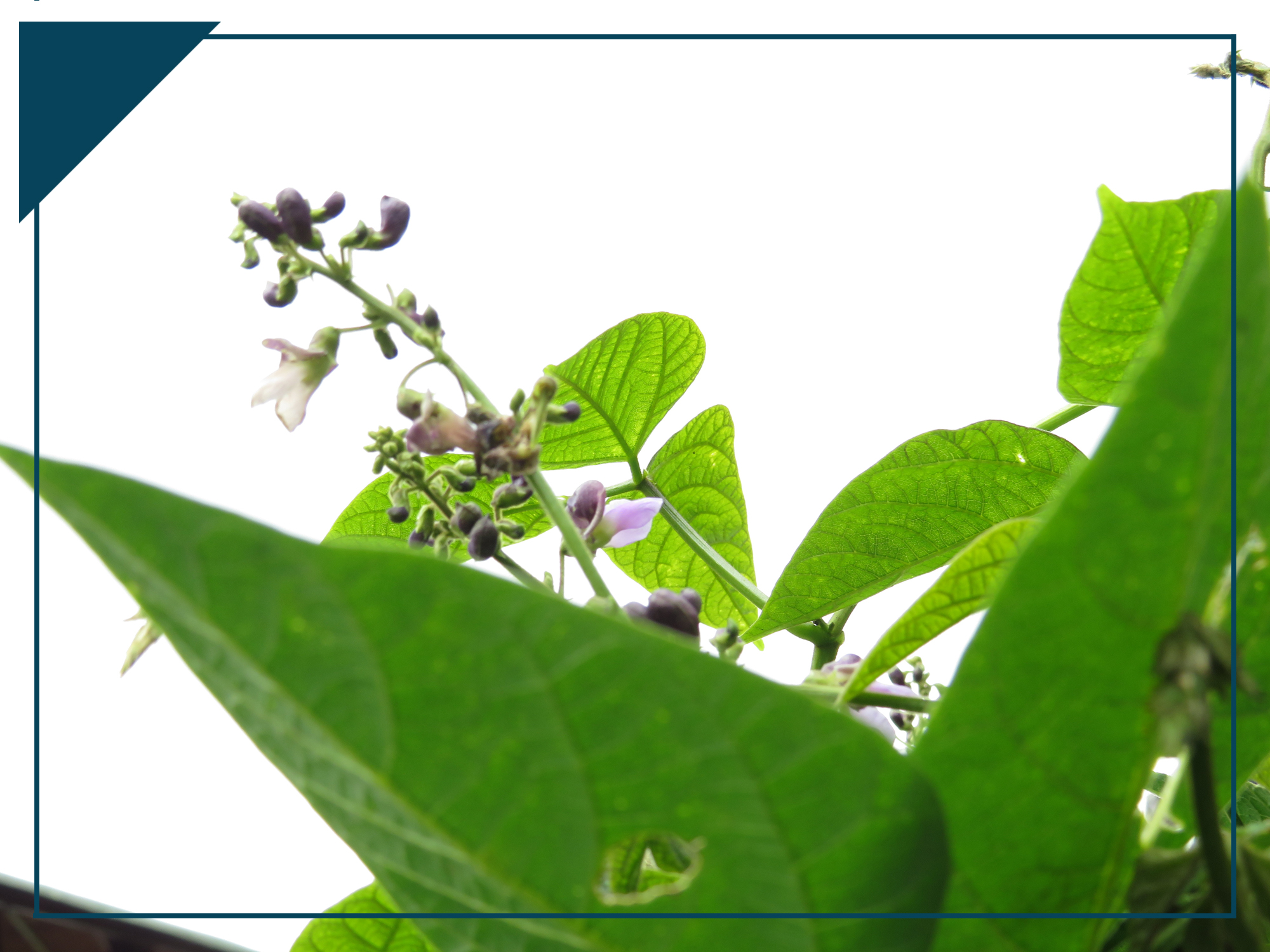
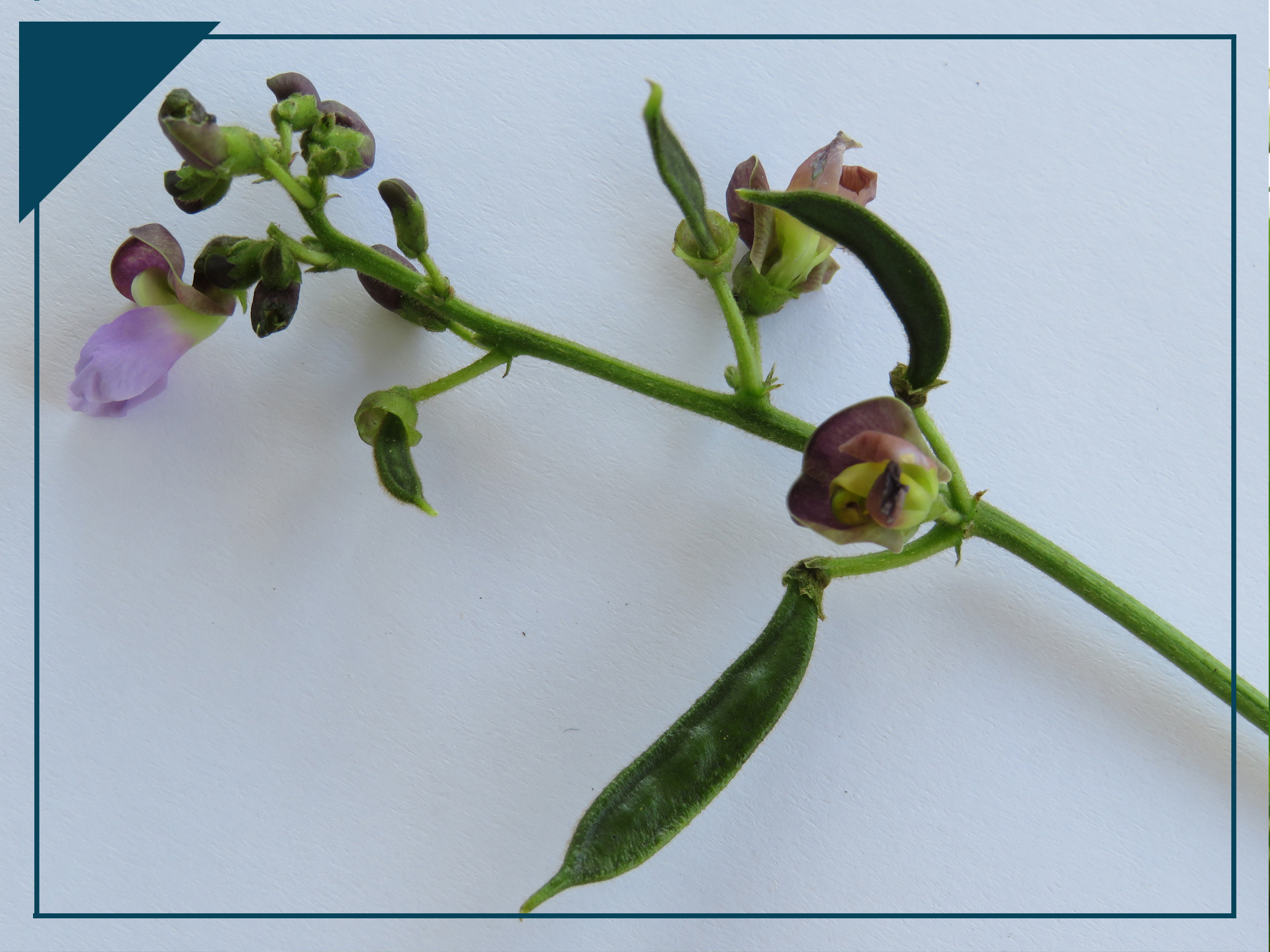
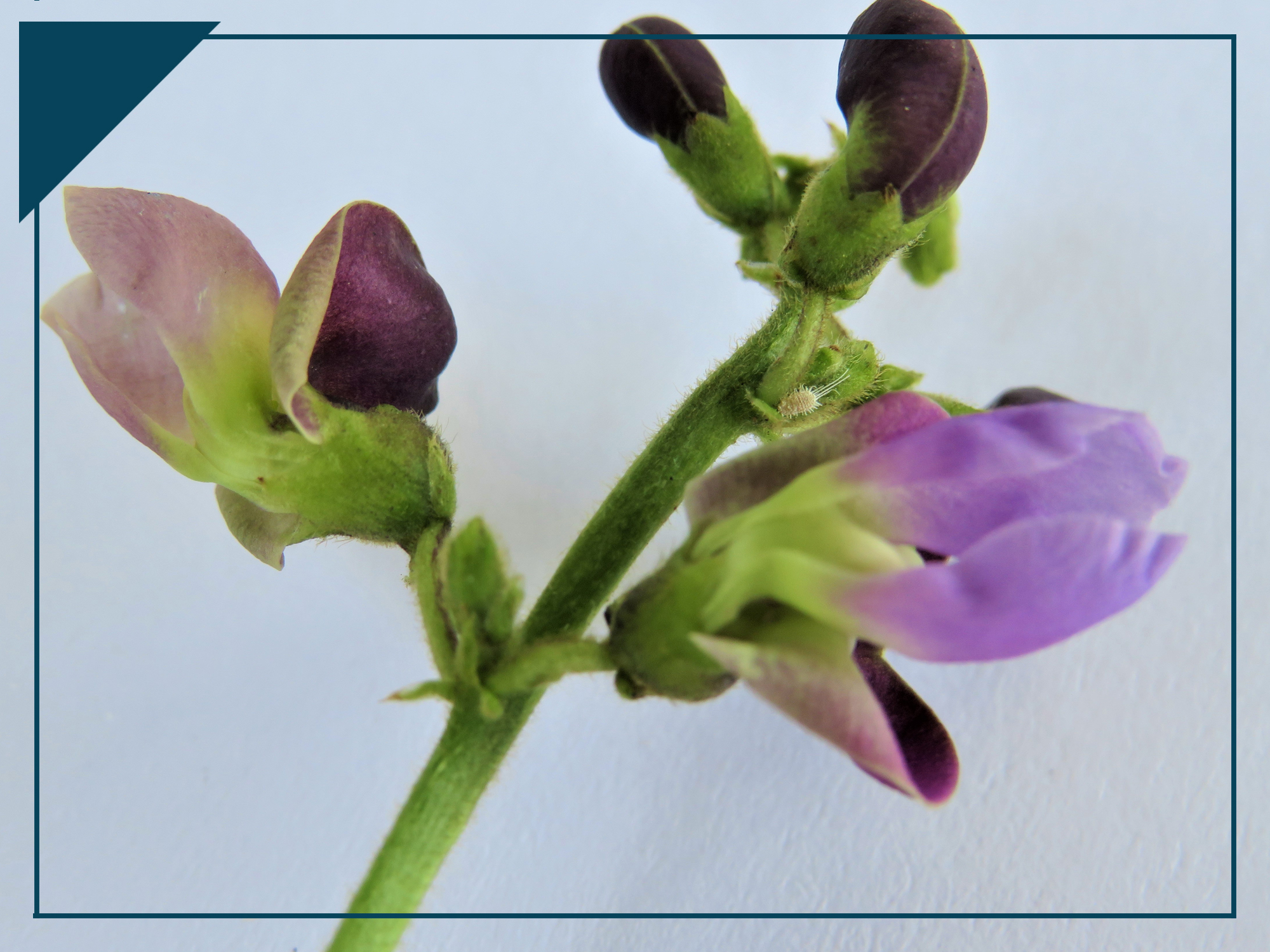
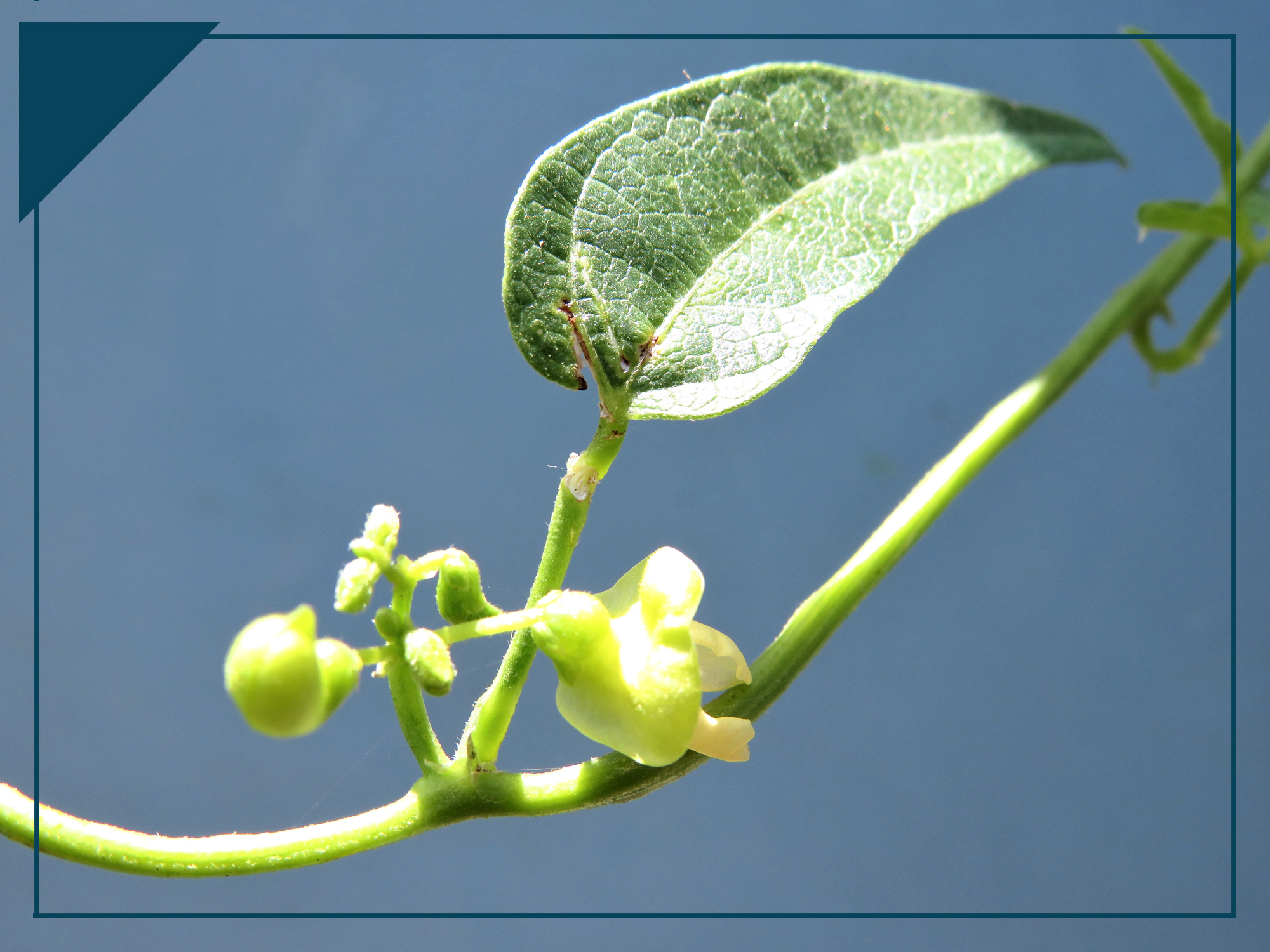
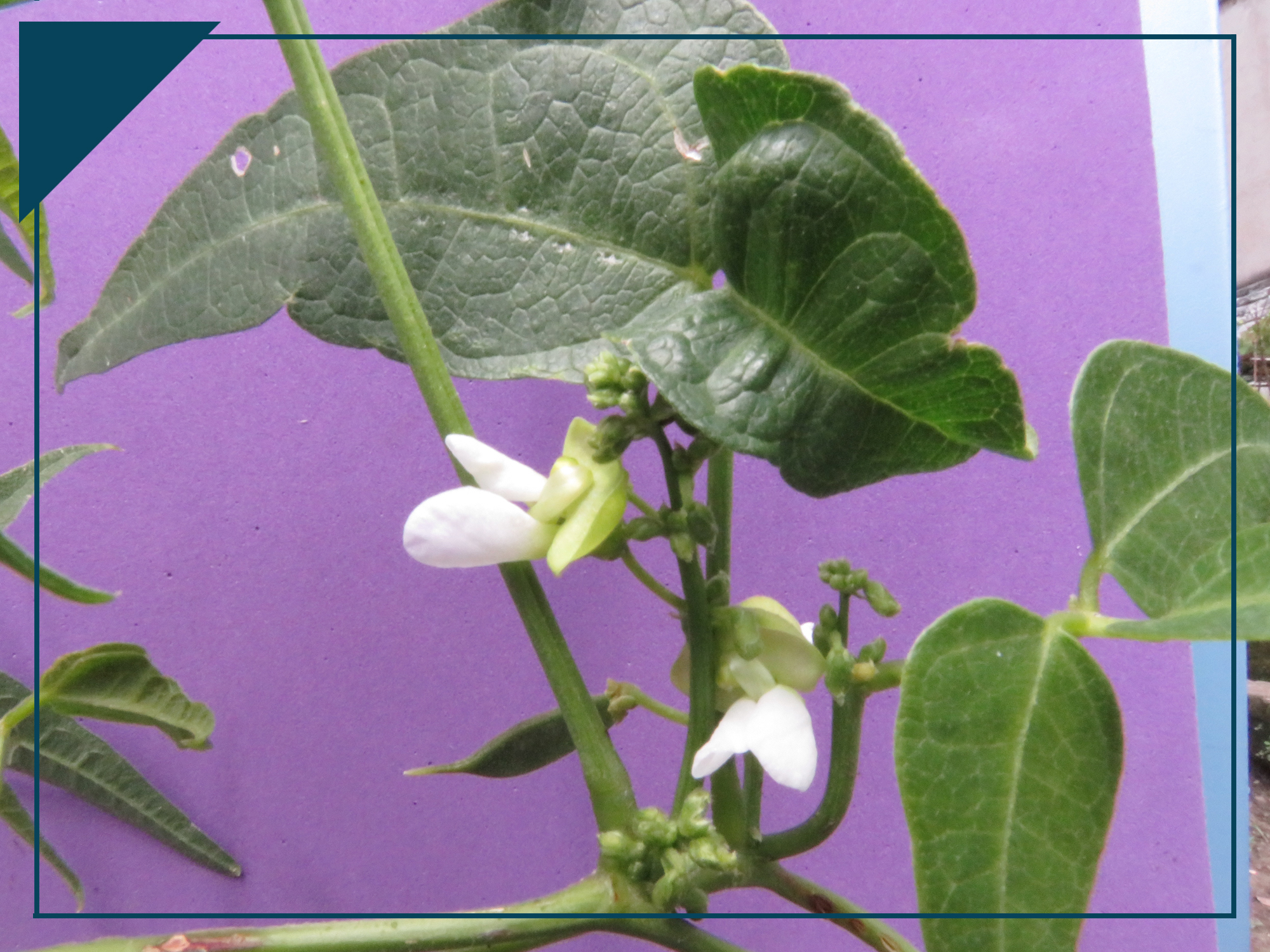
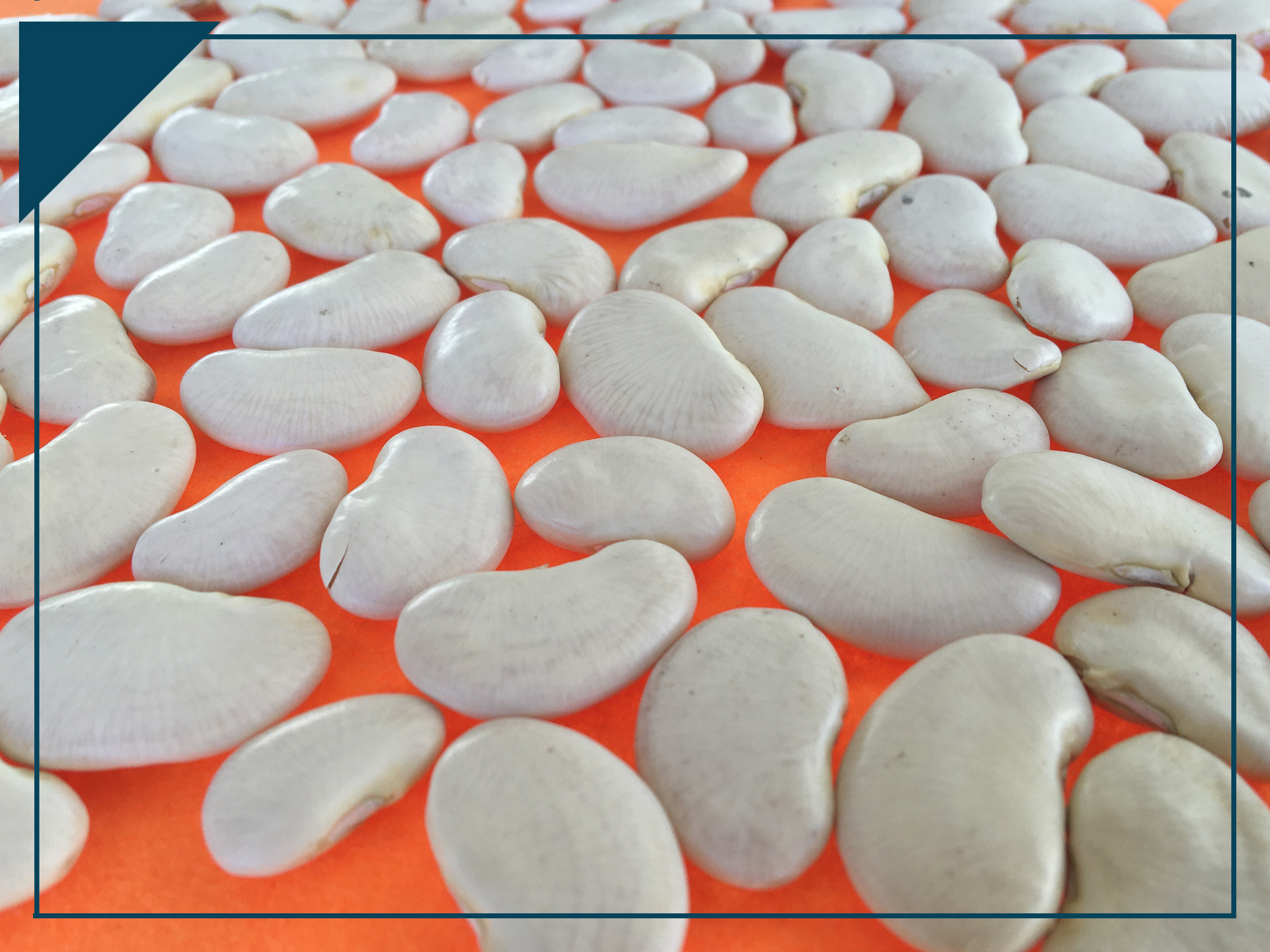
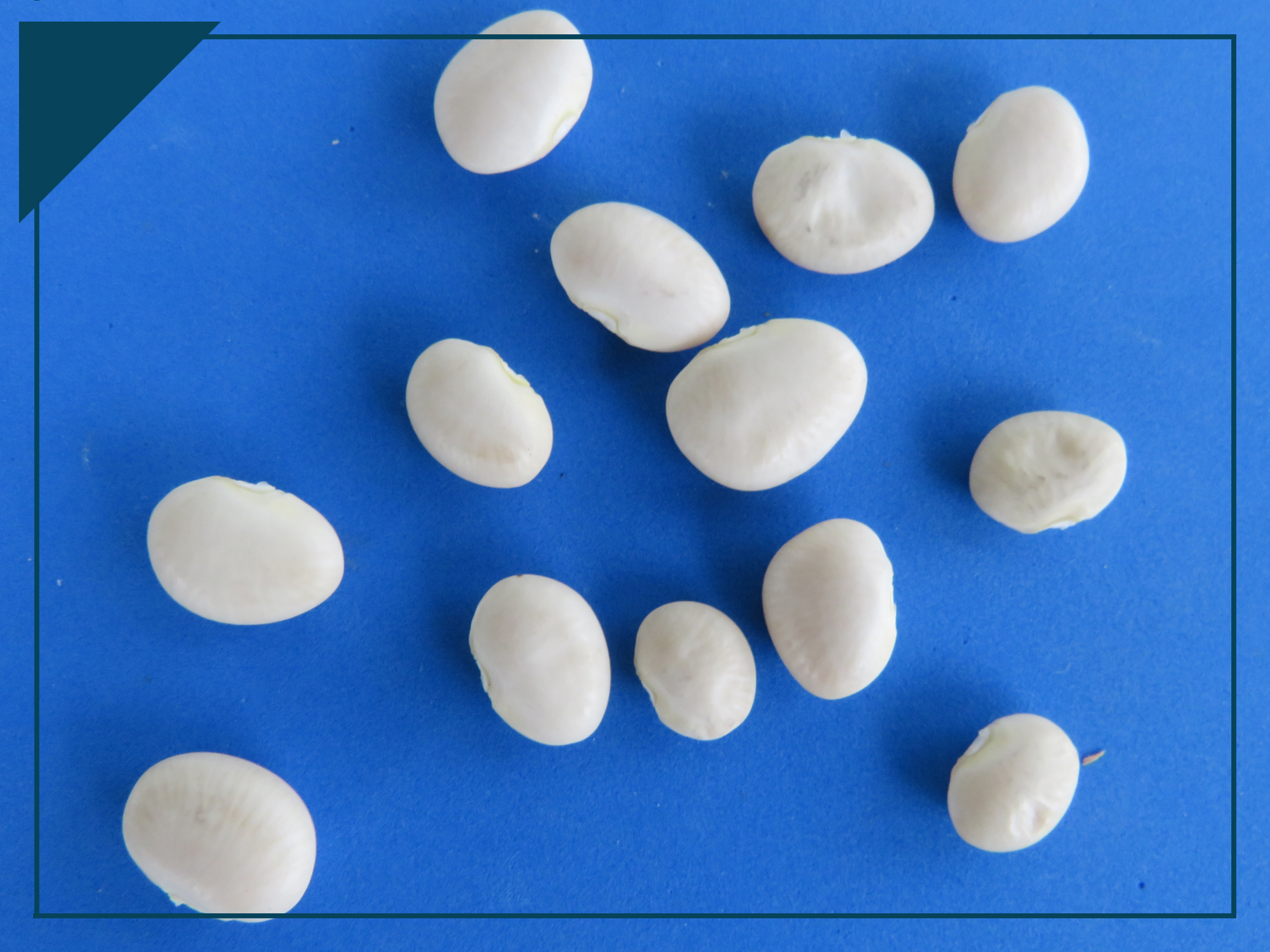
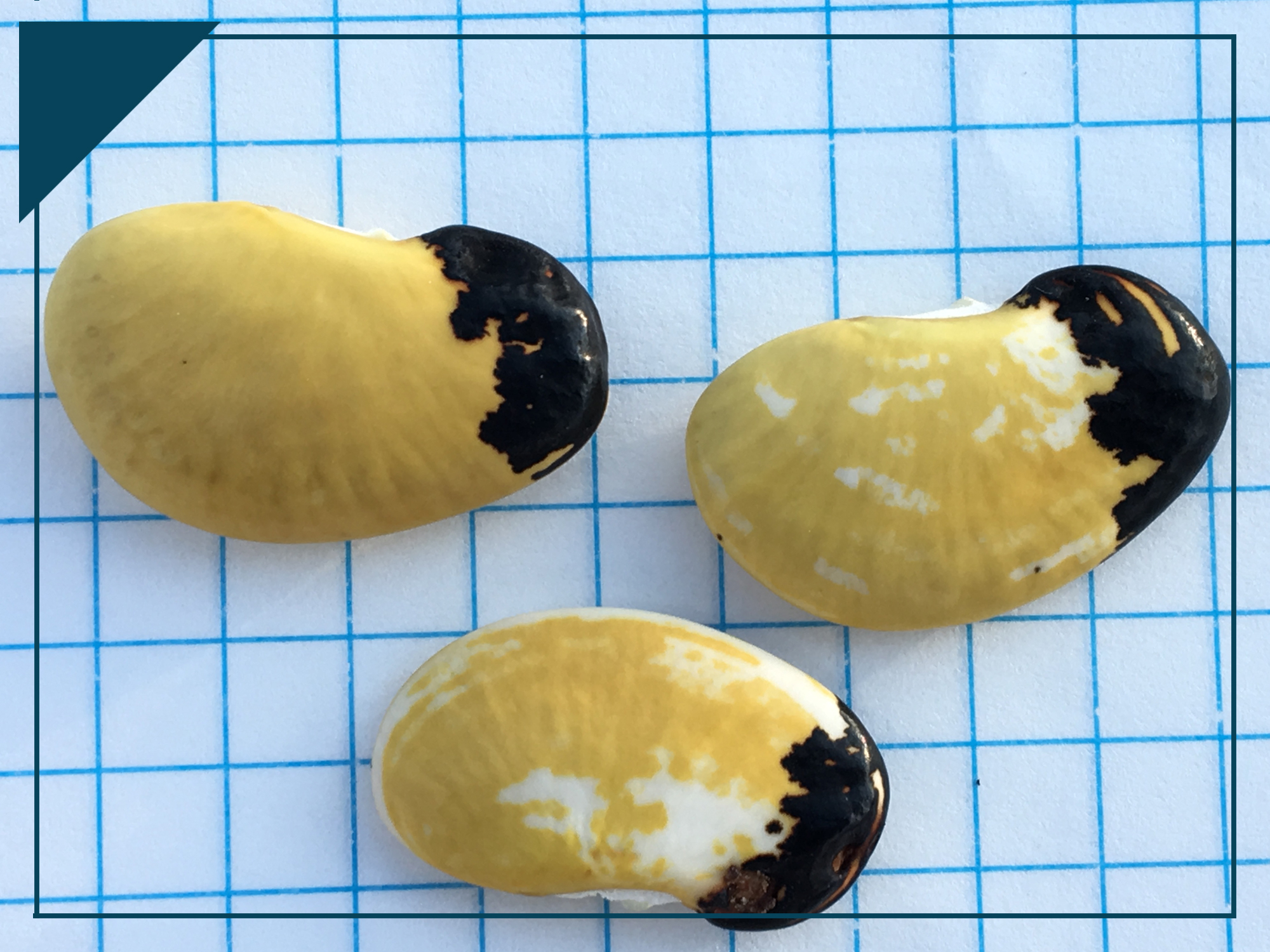
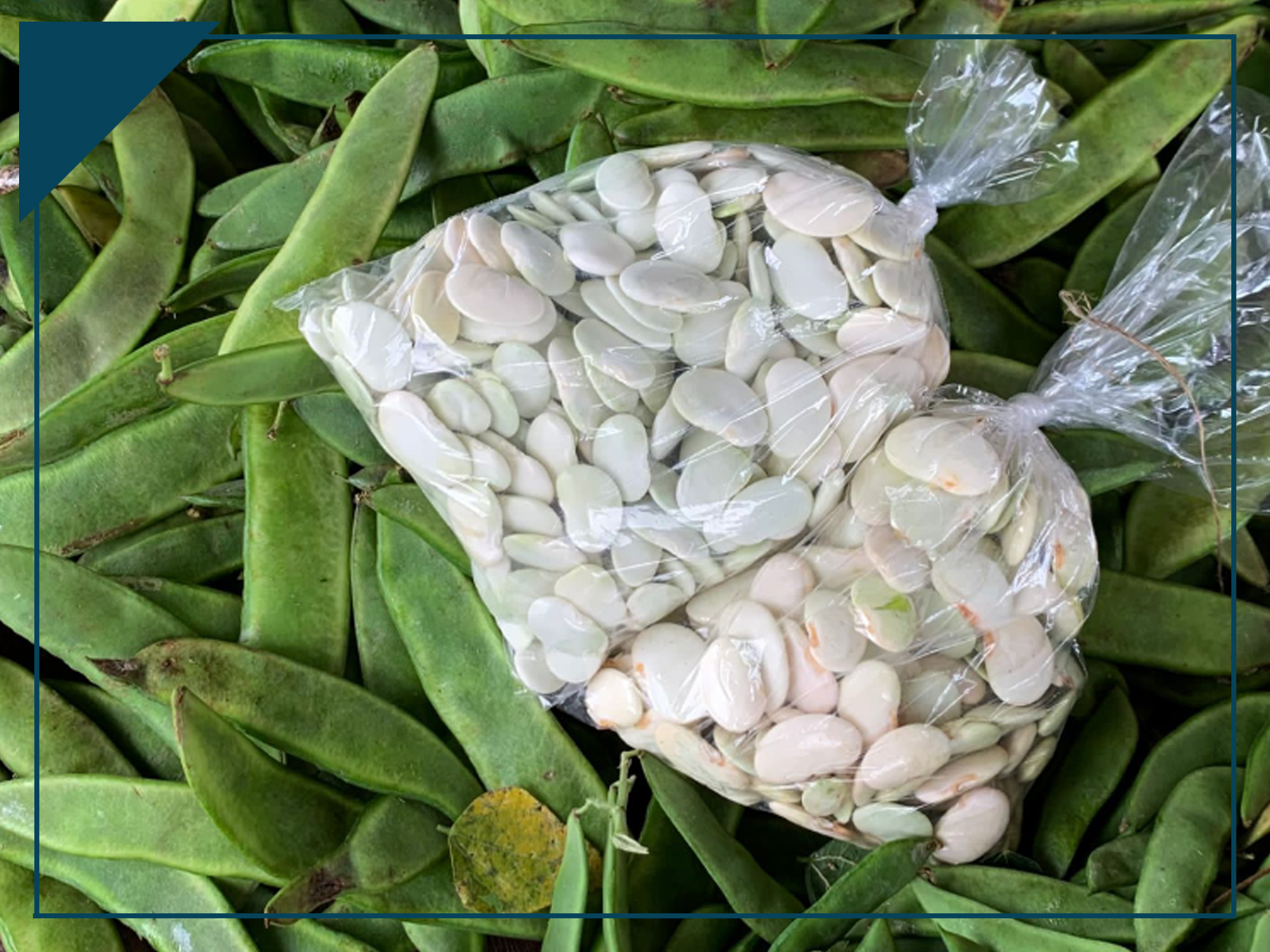
The genus Phaseolus comprises about 80 wild species of legumes, all of American origin (Debouck, 2021). Of all these species, only five were domesticated, including the Lima bean. In its wild state, the Lima bean has a wide distribution ranging from northern Mexico to northern Argentina, at elevations from sea level to greater than 2000 m in the Andes of South America. Throughout its range, the wild Lima bean inhabits diverse ecological conditions, making it a species of special scientific interest.
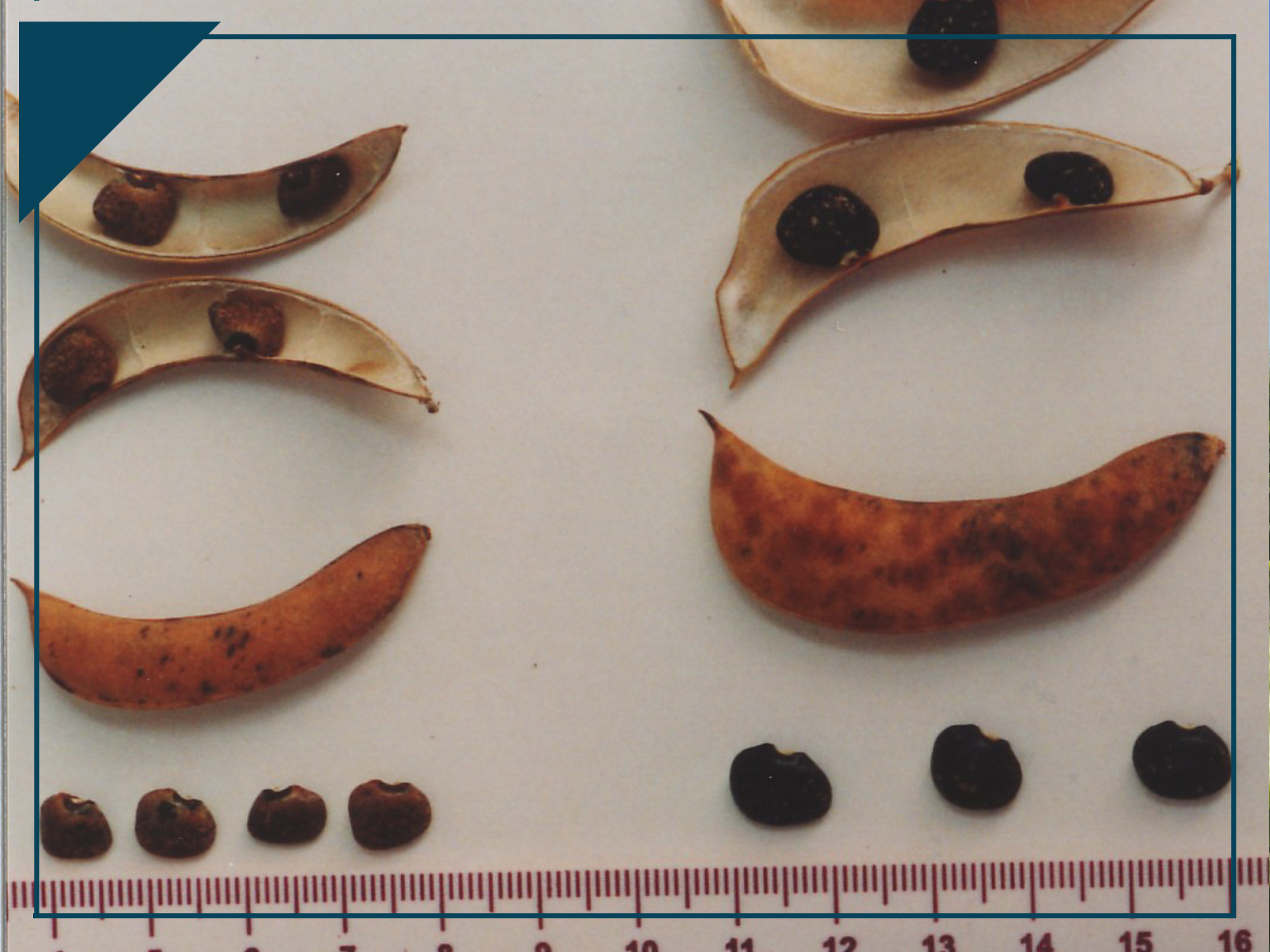
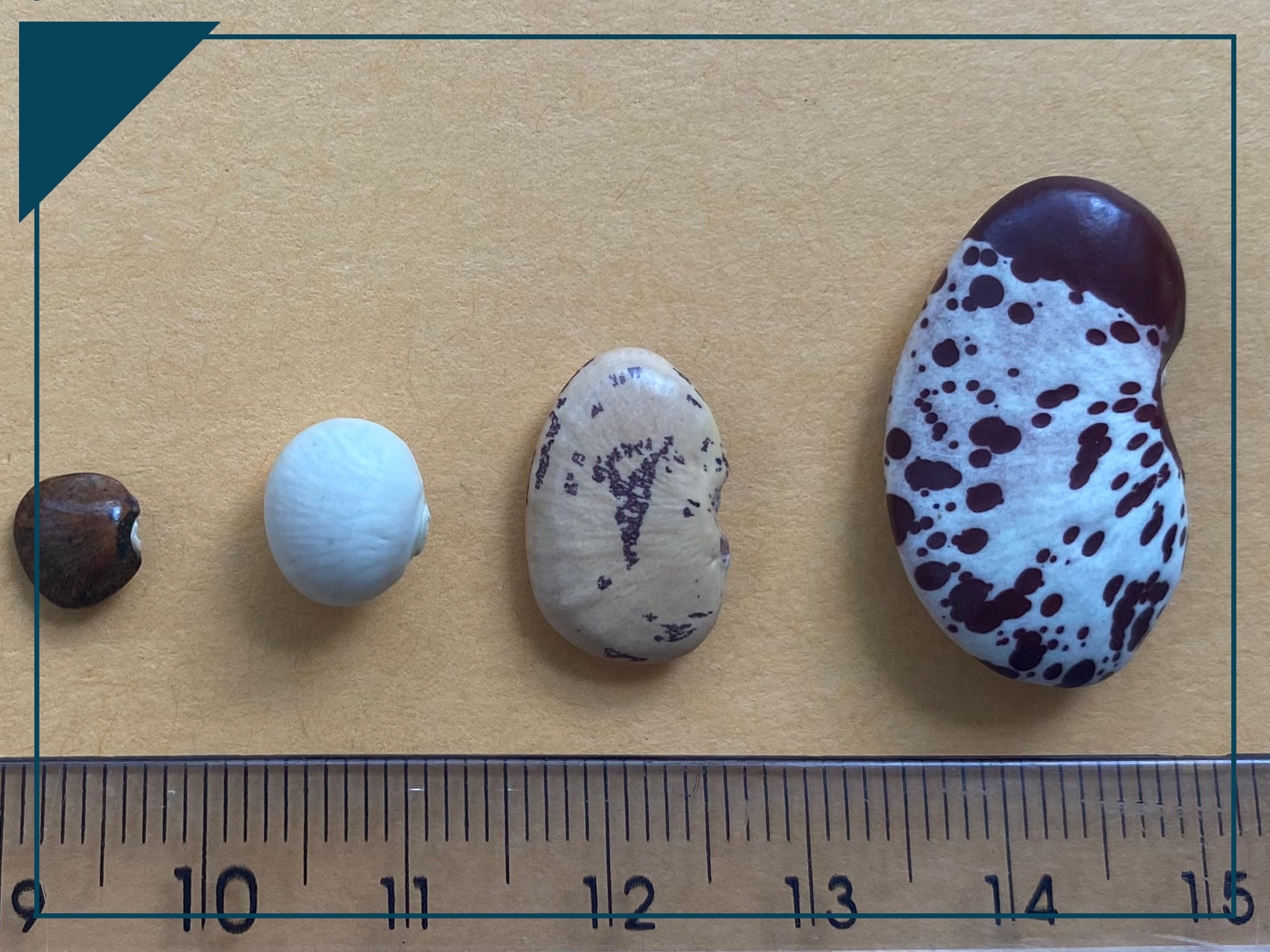
Lima bean was domesticated twice. Genetic evidence shows that one domestication occurred in Mesoamerica and another in South America. Domestication in Mesoamerica may have occurred in central-western Mexico. This domestication event gave rise to landraces with small seeds known as the “Sieva” and “Potato” types. In South America domestication likely occurred in the Andes region of northern Ecuador or Peru. This domestication event gave rise to large-seeded landraces known as the “Large Lima” type. In both cases, domestication caused changes in domesticated populations as compared to their wild relative, including but not limited to increased seed and pod size, loss or decrease in pod dehiscence, decrease in anti-nutritional compounds in the seed, and earlier flowering. After its domestication, the Lima bean was introduced to new regions of the American continent where different human groups gave it unique names including “ib” in the Maya language of the Yucatan Peninsula, “cacha” in the Paez language of Colombia, and “pallar” in the Quechua language of Peru.
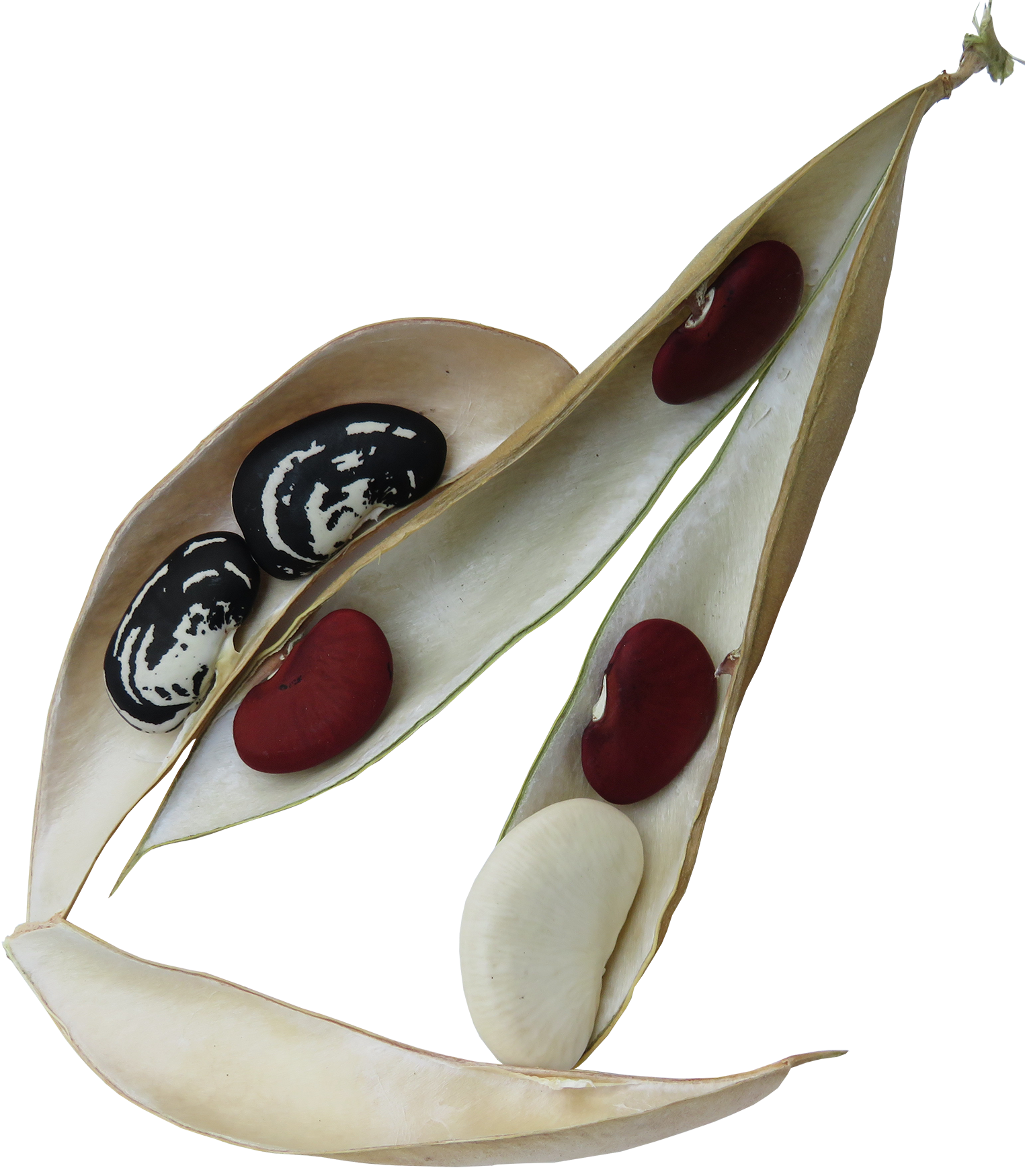
Lima beans are rich in protein, dietary fiber, vitamins, and minerals. They have been an important part of the diet of various indigenous communities in the Americas since pre-Hispanic times. The archaeological record indicates that the cultivation of Lima bean is ancient among pre-Columbian cultures. In the Andes, the oldest archaeological records of domesticated Lima beans are found in Peru, in Cueva Guitarrero and Chilca, with an age of 3,500 and 5,600 years respectively. In Mesoamerica, the oldest remains date back about 1,300 years and come from Dzibilchaltún in Yucatán, Mexico. In post-Columbian times, the Lima bean was brought to Africa, Asia and Europe, and today it is the second most important cultivated species of the genus Phaseolus.
Objetivos, Missão, Visão
Objetivo Geral
Promover a conservação, estudo e aproveitamento do feijão-fava para estimular seu cultivo como uma alternativa real para enfrentar os problemas de segurança alimentar no mundo
Objetivos específicos
- Gerar um acervo digital com as informações existentes sobre o feijão-fava nos temas: origem e evolução, conservação, melhoramento e interações planta-microrganismos na rizosfera.
- Gerar, apoiar e coordenar iniciativas de pesquisa em feijão-fava.
- Apoiar a formação e/ou capacitação de recursos humanos de alto nível.
- Promover a produção, consumo e aproveitamento do feijão-fava.
- Promover usos alternativos do feijão-fava e aqueles associados à sua relação planta-microrganismos na rizosfera.
Missão da rede
Incentivar colaborações e parcerias para compilar, compartilhar e divulgar informações sobre o feijão-fava, promovendo investigação e formação de recursos humanos de alto nível, com o fim de promover o cultivo do feijão-fava como uma alternativa real para enfrentar problemas de segurança alimentar no mundo.
Visão de rede
Ser reconhecida como uma rede colaborativa de atores pertencentes a diferentes setores da sociedade (acadêmicos, científicos, produtivos, governamentais, ONGs, entre outros) que apoiam e promovem o estudo, conservação e uso do feijão-fava.
Organograma
- Coordenação Geral: Dra. Luz Marina Espinoza de Arenas
- Secretaria Técnica: M. C. Isabel Milagros Gavilán Figari
- Coordenação Origem e Evolução: Dra. María Isabel Chacón Sánchez
- Coordinaçao Relaçao Planta-Microrganismos: Dr. Ernesto A. Ormeño Orrillo
- Coordenação de Conservação: M. C. Luis Guillermo Santos
- Coordenação Melhoramento:
Membros
Membros fundadores da Rede Internacional de Feijão-fava
| Nome | Área de conhecimento | País de Residência | Instituição |
|---|---|---|---|
| María I. Chacón Sánchez | Origem e Evolução | Colombia | Universidad Nacional de Colombia |
| Elena Bitocchi | Origem e Evolução | Itália | Università Politecnica delle Marche |
| Daniel G. Debouck | Origem e Evolução | Colombia | The Alliance Bioversity International/ Centro Internacional de Agricultura Tropical |
| Rubén H. Andueza Noh | Origem e Evolução | México | Instituto Tecnológico de México |
| Jaime Martínez Castillo | Origem e Evolução | México | Centro de Investigación Científica de Yucatán, A. C. |
| Jonás A. Aguirre Liguori | Origem e Evolução | México | Universidad Autónoma de Yucatán |
| Leidy T. García Navarrete | Origem e Evolução | Colombia | Universidade Nacional de Colombia |
| Eduardo Peralta Idrovo | Origem e Evolução | Ecuador | Investigador independente |
| Angela C. de Almeida Lopes | Origem e Evolução | Brasil | Universidade Federal do Piauí |
| Nora Castañeda Alvarez | Conservação | Alemanha | Crop Trust |
| Luis G. Santos Meléndez | Conservação | Colombia | The Alliance Bioversity International/ Centro Internacional de Agricultura Tropical |
| Angel R. Murillo Ilbay | Conservação | Ecuador | Instituto Nacional de Investigaciones Agropecuarias |
| Carlos M. Nieto Cabrera | Conservação | Ecuador | Universidad Central del Ecuador |
| Jorge A. Duitama Castellanos | Melhoramento | Colombia | Universidad de los Andes |
| Luz M. Espinoza de Arenas | Melhoramento | Perú | Universidad Nacional San Luis Gonzaga |
| Regina L. Ferreira Gomes | Melhoramento | Brasil | Universidade Federal do Piauí |
| Kimberly Gibson | Melhoramento | USA | University of California, Davis |
| Horacio S. Ballina Gómez | Melhoramento | México | Instituto Tecnológico de México |
| Eudaldo Jadán Veriñaz | Melhoramento | Ecuador | Universidad Técnica de Machala |
| Ademir S. Ferreira Araujo | Planta-Microrganismos | Brasil | Universidade Federal do Piauí |
| Andrea León Cadena | Planta-Microrganismos | Ecuador | Universidad Central del Ecuador |
| Ernesto A. Ormeño Orrillo | Planta-Microrganismos | Perú | Universidad Nacional Agraria La Molina |
Novos membros
| Nome | Área de conhecimento | País de Residência | Instituição |
|---|---|---|---|
| Sandra V. Garcés Carrera | Melhoramento | Ecuador | Instituto Nacional de Investigaciones Agropecuarias |
| Salvador Soler | Melhoramento | Espanha | Universitat Politècnica de València |
| María Rosario Figàs | Melhoramento | Espanha | Universitat Politècnica de València |
| Jaime Prohens | Melhoramento | Espanha | Universitat Politècnica de València |
| Natalia de Almeida | Conservação | Uruguay | Universidad Tecnológica |
| Rafael Vidal | Conservação | Uruguay | Universidad de la República |
| Amsalu Nebiyu Woldekirstos | Melhoramento | Etiópia | Jimma University |
| Alvaro R. Monteros Altamirano | Conservação | Ecuador | Instituto Nacional de Investigaciones Agropecuarias |
| Eddie E. Zambrano Zambrano | Conservação | Ecuador | Instituto Nacional de Investigaciones Agropecuarias |
| Juan Carlos Suárez Salazar | Melhoramento | Colombia | Universidad de la Amazonia |
| Amelia Huaringa Joaquín | Melhoramento genético | Perú | Universidad Nacional Agraria La Molina |
| Christine H. Diepenbrock | Melhoramento genético | USA | University of California, Davis |
| Amir Mohammad Mokhtari | Melhoramento | Polônia | University of Life Sciences in Poznań |
| Doris S. Chalampuente Flores | Melhoramento | Ecuador | Universidad Técnica del Norte |
| Isabel Milagros Gavilán Figori | Melhoramento | Perú | Instituto Politécnico de la Producción – CITE agroindustrial Ica |
| Elena Villacres | Melhoramento | Ecuador | Instituto Nacional de Investigaciones Agropecuarias |
| Emmalea Garver Ernest | Melhoramento | USA | University of Delaware |
| Raymundo N. Oliveira Silva | Melhoramento | Brasil | Universidade Federal do Piauí |
| Verónica Brito da Silva | Melhoramento | Brasil | Universidade Federal do Piauí |
| Ernesto Gonzalo Cañarte Bermúdez | Conservação | Ecuador | INIAP – Estação Experimental Portoviejo |
| José Bernardo Navarrete Cedeño | Conservação | Ecuador | INIAP – Estação Experimental Portoviejo |
| Jennifer Jahaira López Anchundia | Conservação | Ecuador | INIAP – Estação Experimental Portoviejo |
| César Steven Andrade Murillo | Conservação | Ecuador | INIAP – Estação Experimental Portoviejo |
| Jordan Gilmer Bailon Pachay | Conservação | Ecuador | INIAP – Estação Experimental Portoviejo |
| Silvia Lorena Montero Cedeño | Conservação | Ecuador | ESPAM-MFL |
| Sergio Miguel Vélez Zambrano | Conservação | Ecuador | ESPAM-MFL |
| Jefferson Bertín Vélez Olmedo | Conservação | Ecuador | Universidad Técnica de Manabí |
Acervo
- Uma edição especial do “II Simpósio Internacional do Feijão Lima: Desafios e Perspectivas em Cenários de Mudanças Climáticas” pode ser encontrada em https://revistadigital.uce.edu.ec/index.php/SIEMBRA/edición/vista/329).
Responsável pelas informações
- Caso tenha interesse em fazer parte da Red Lunatus, você pode entrar em contato com o Coordenador Geral (luz.espinoza@unica.edu.pe) ou escrever para o e-mail oficial da Rede (red.lunatus@gmail.com).
Notícias

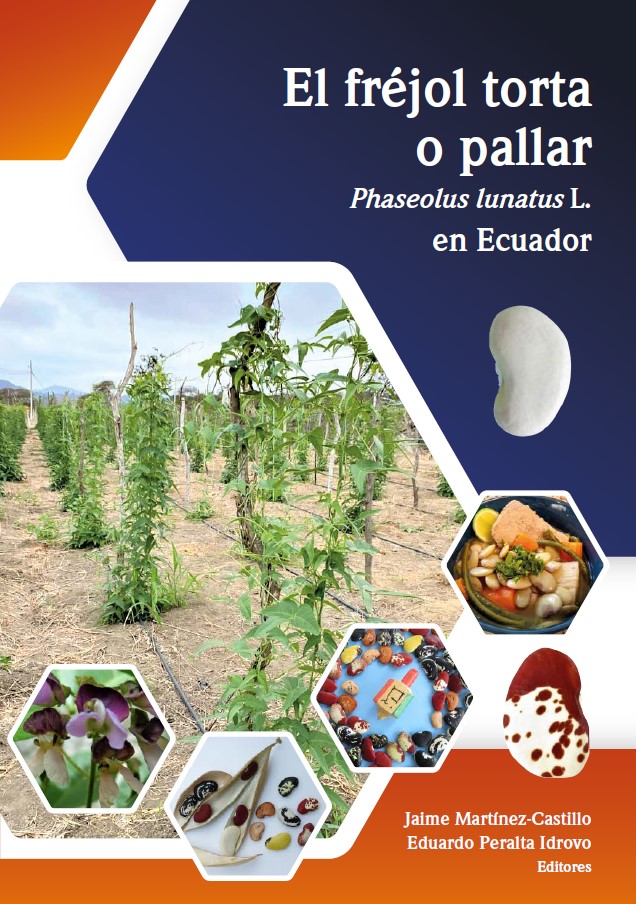
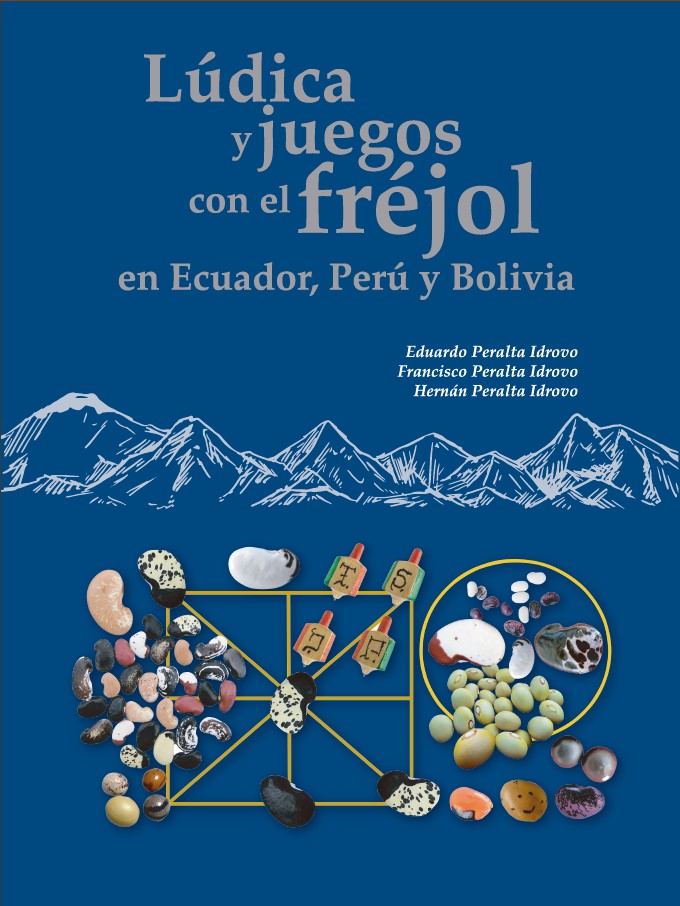
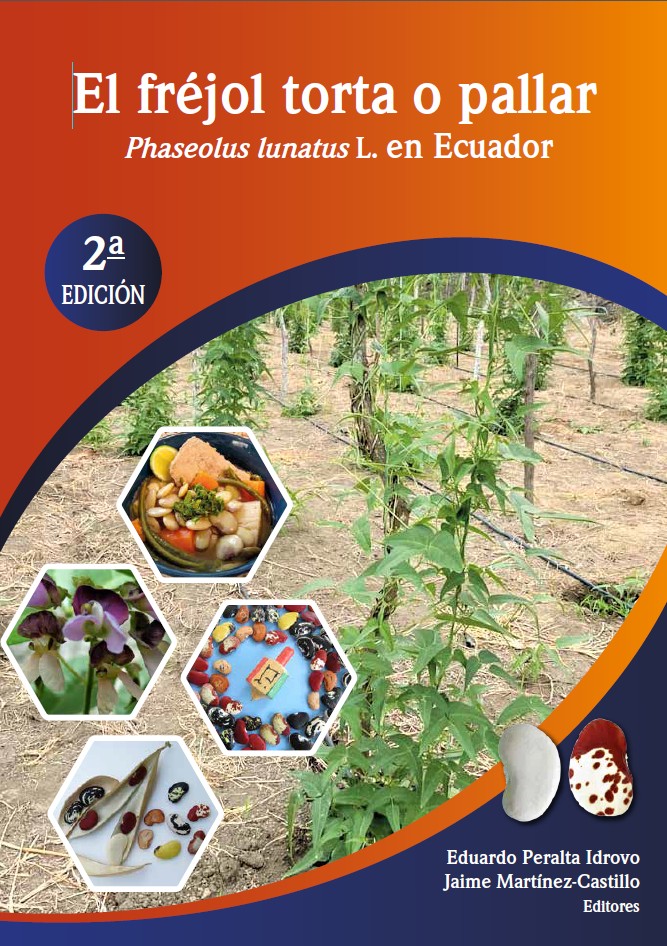
Galeria

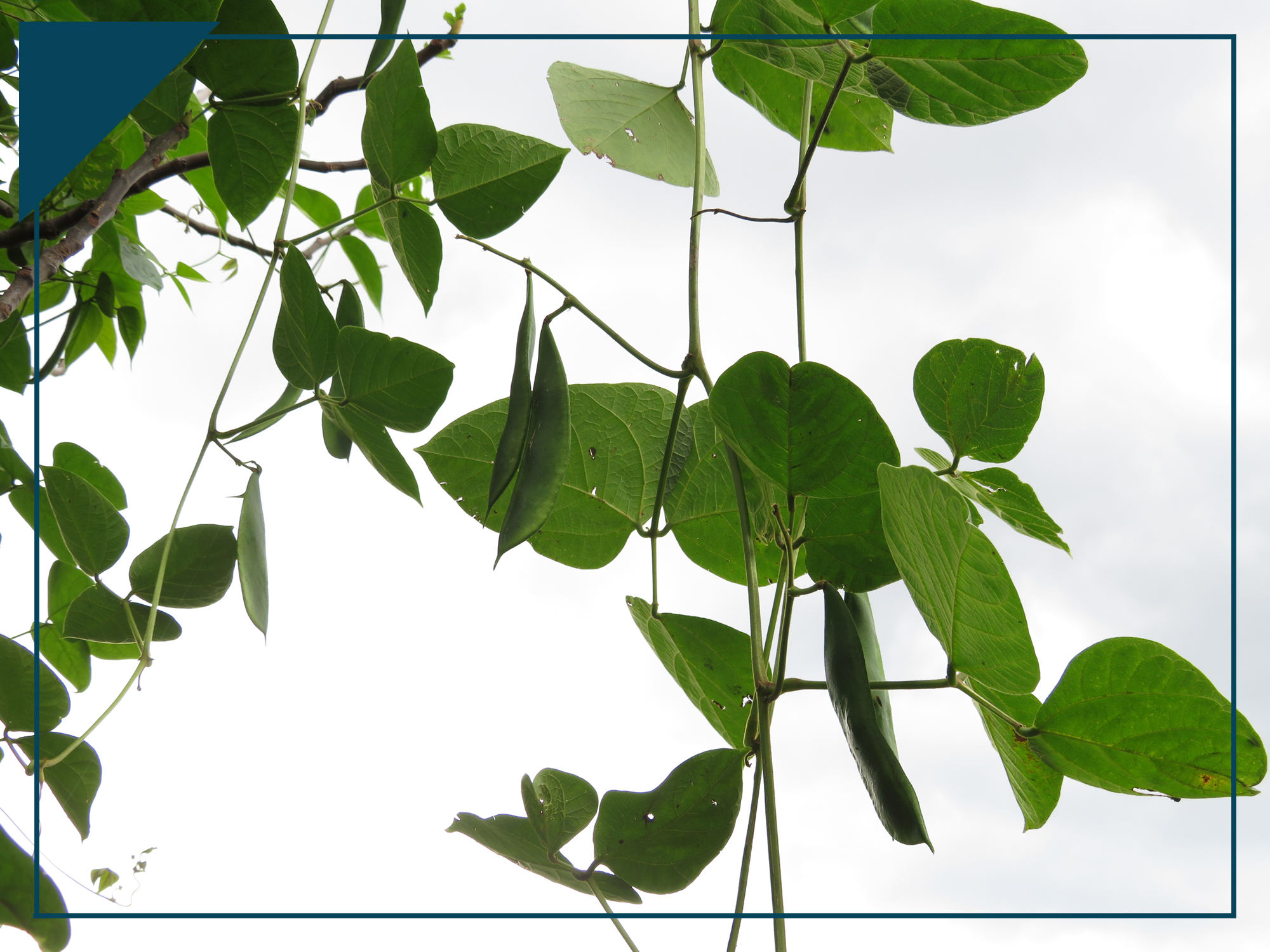
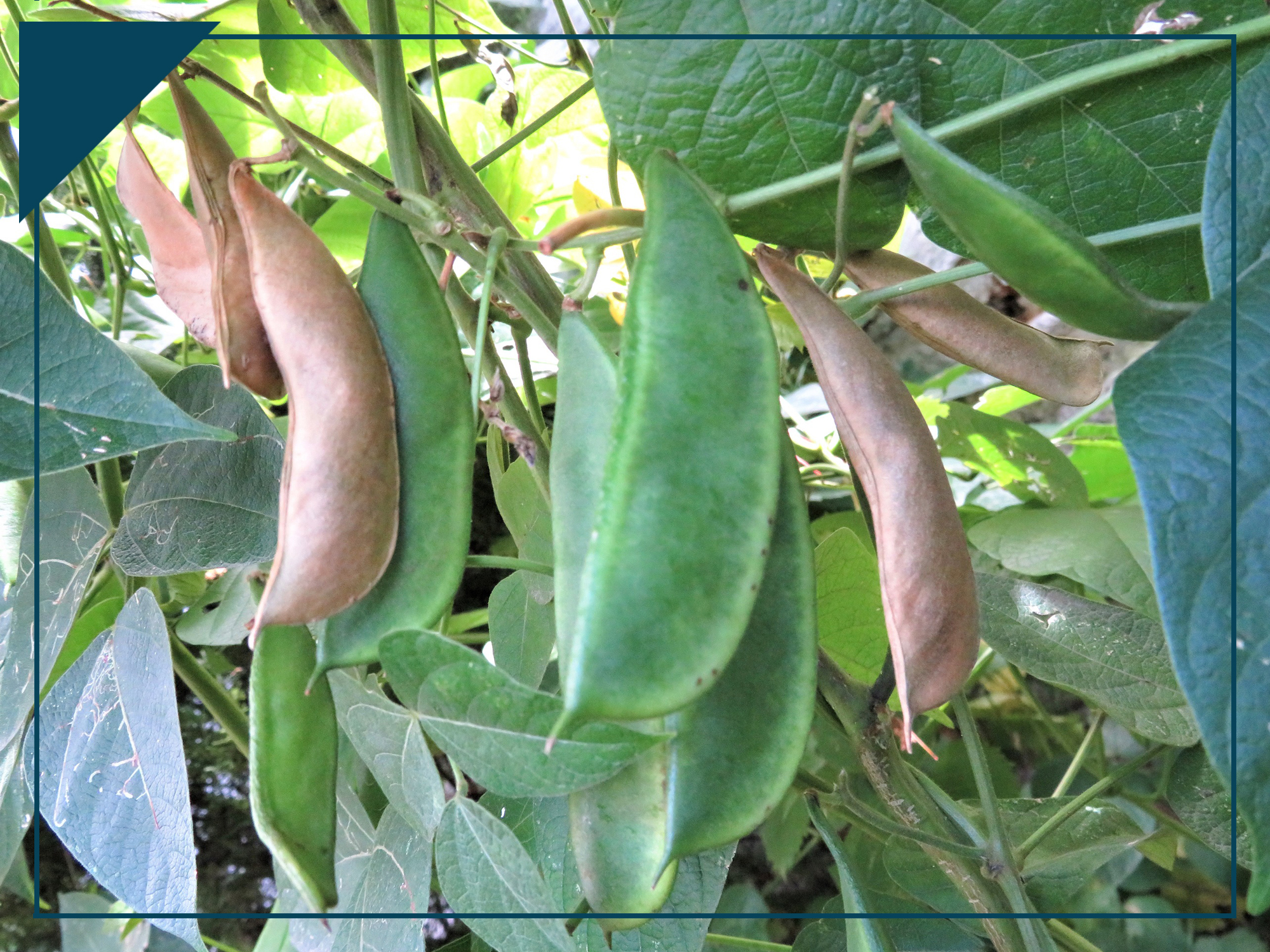
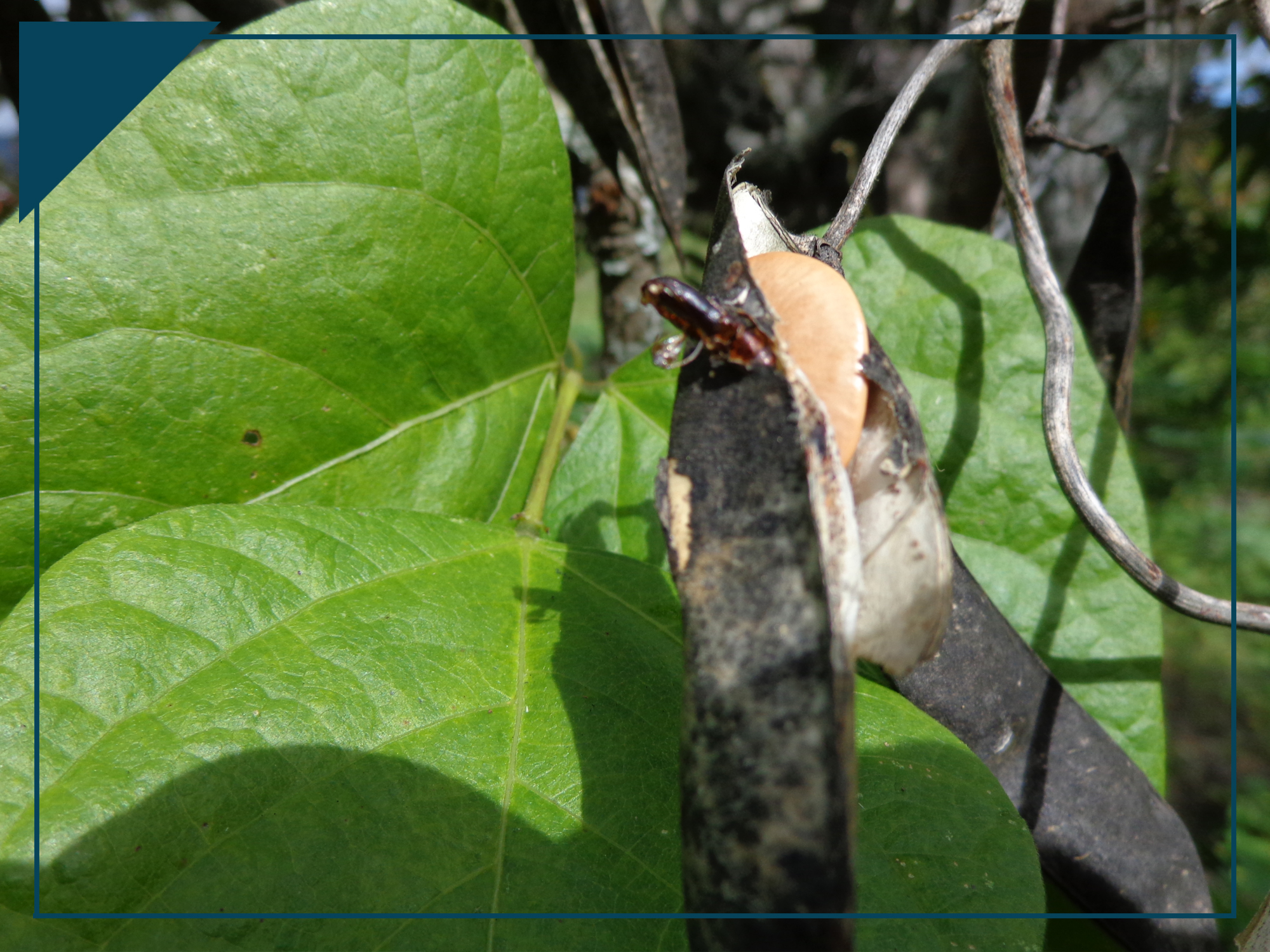
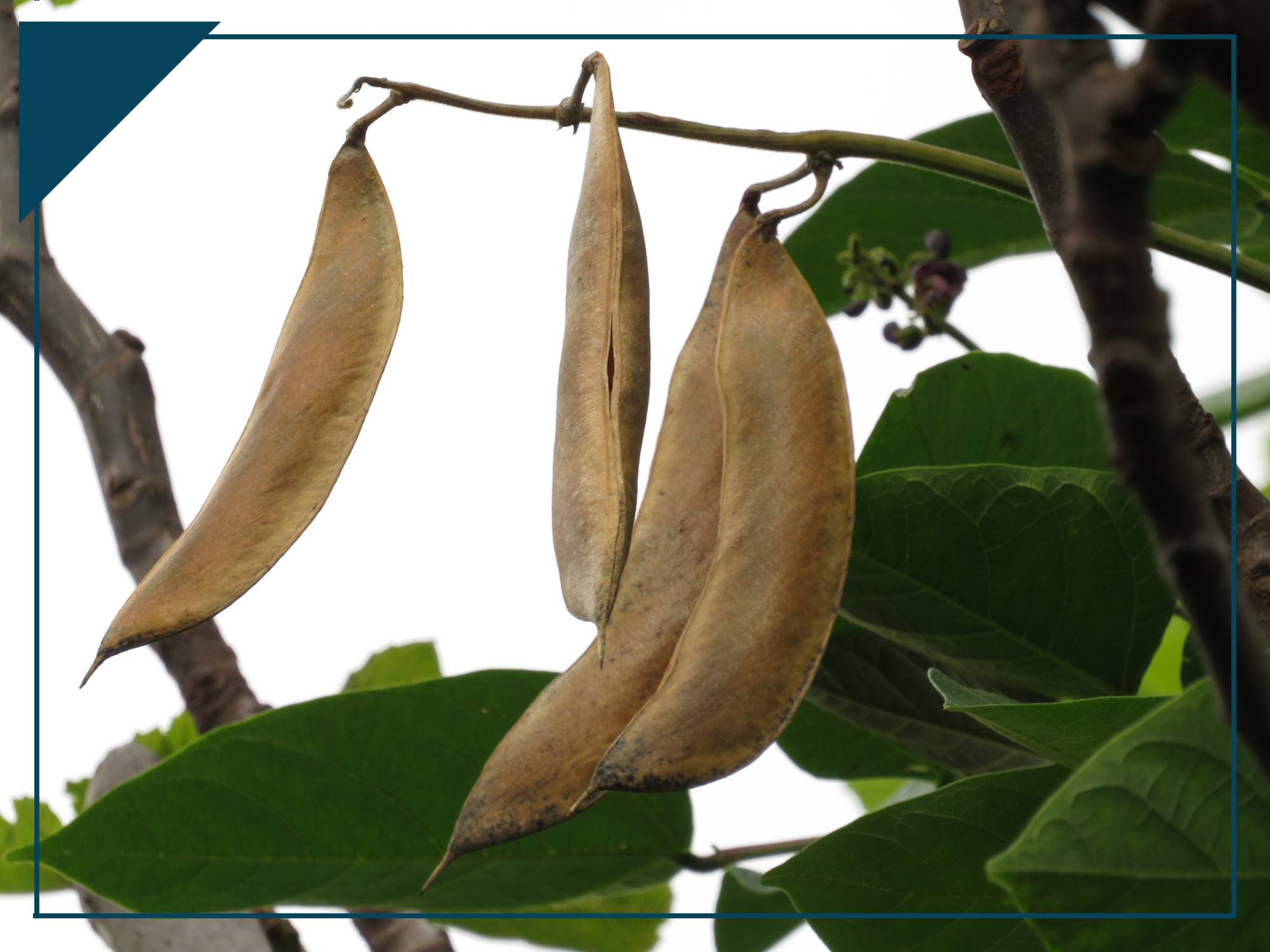
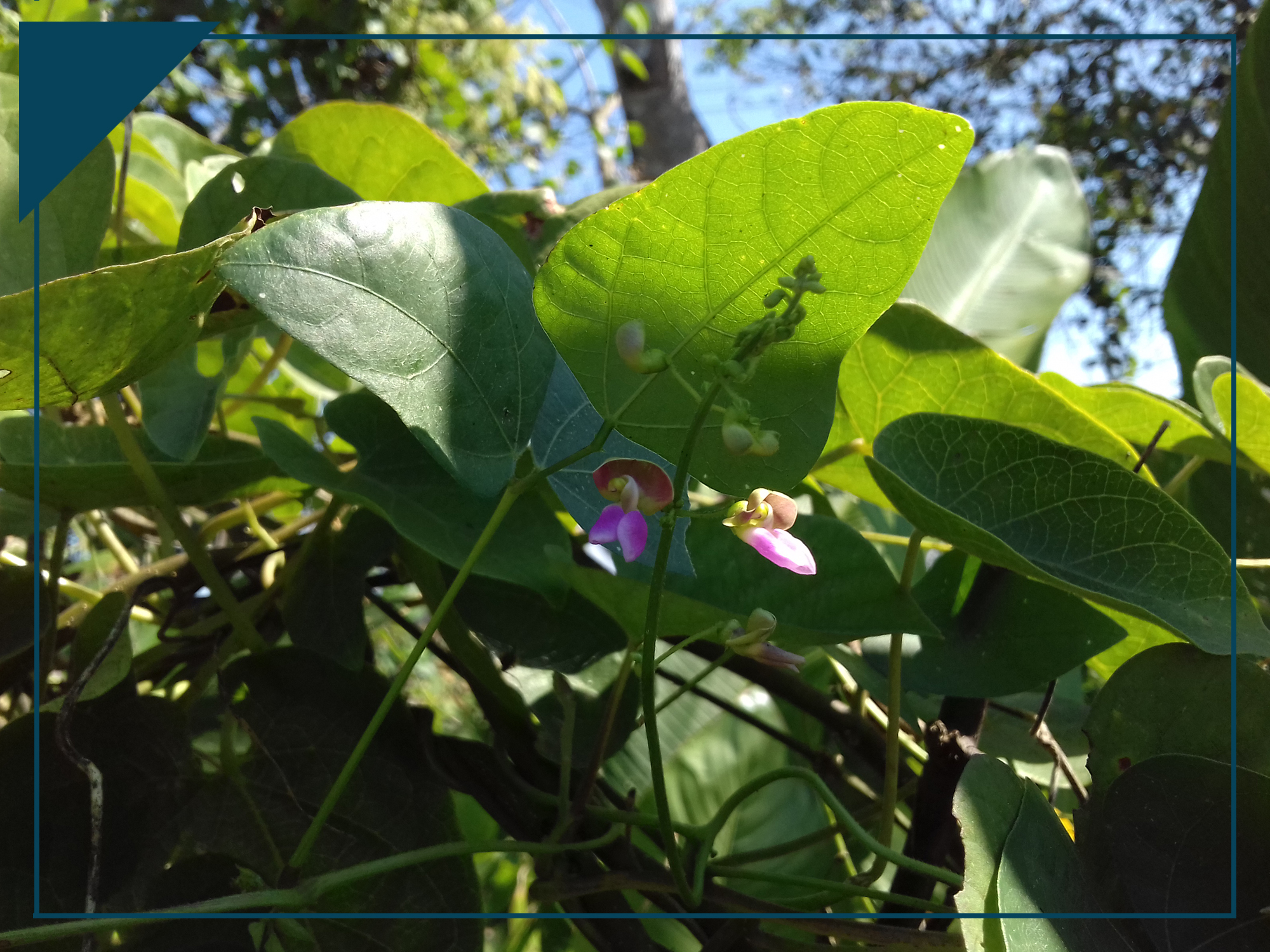
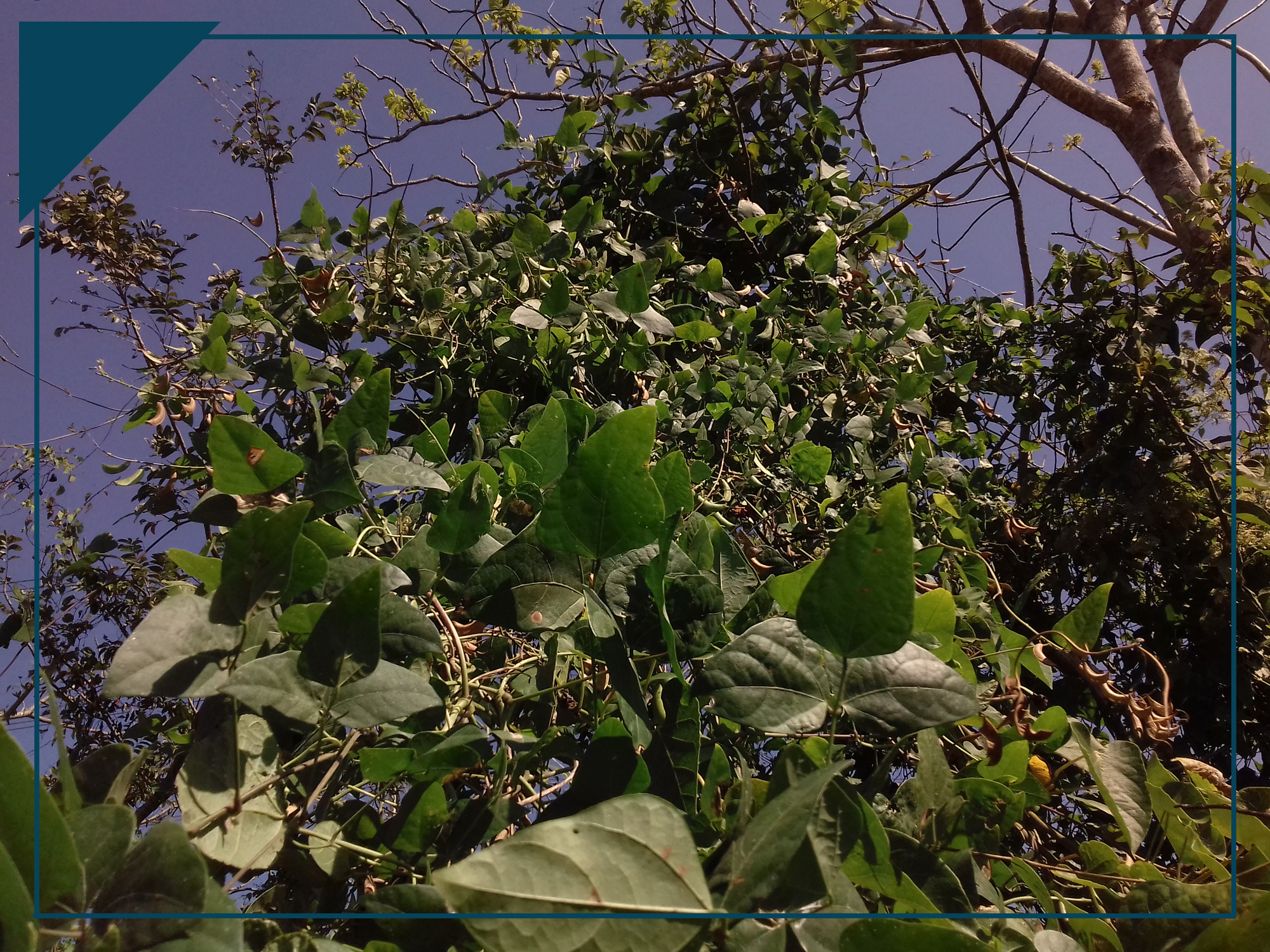
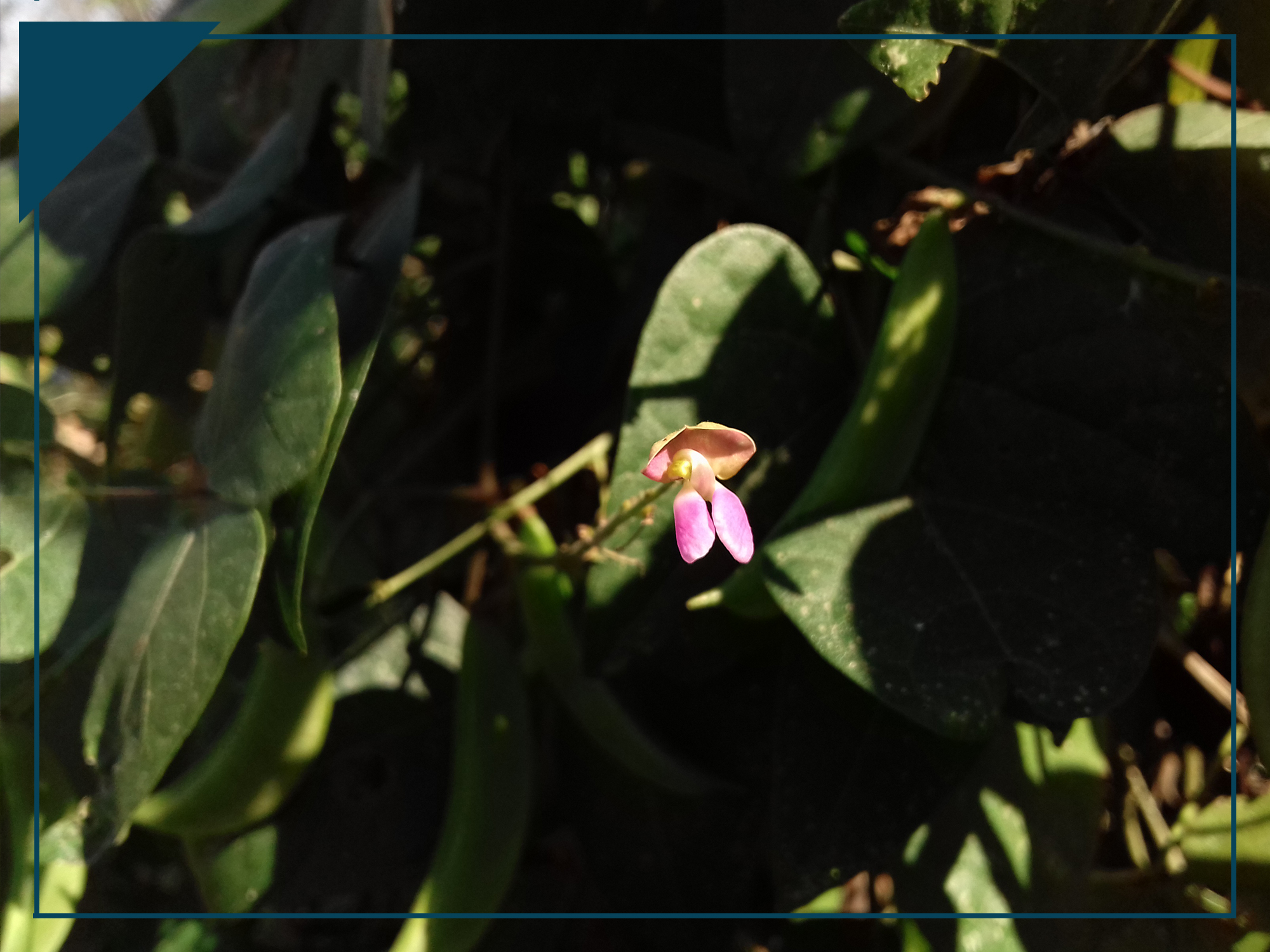
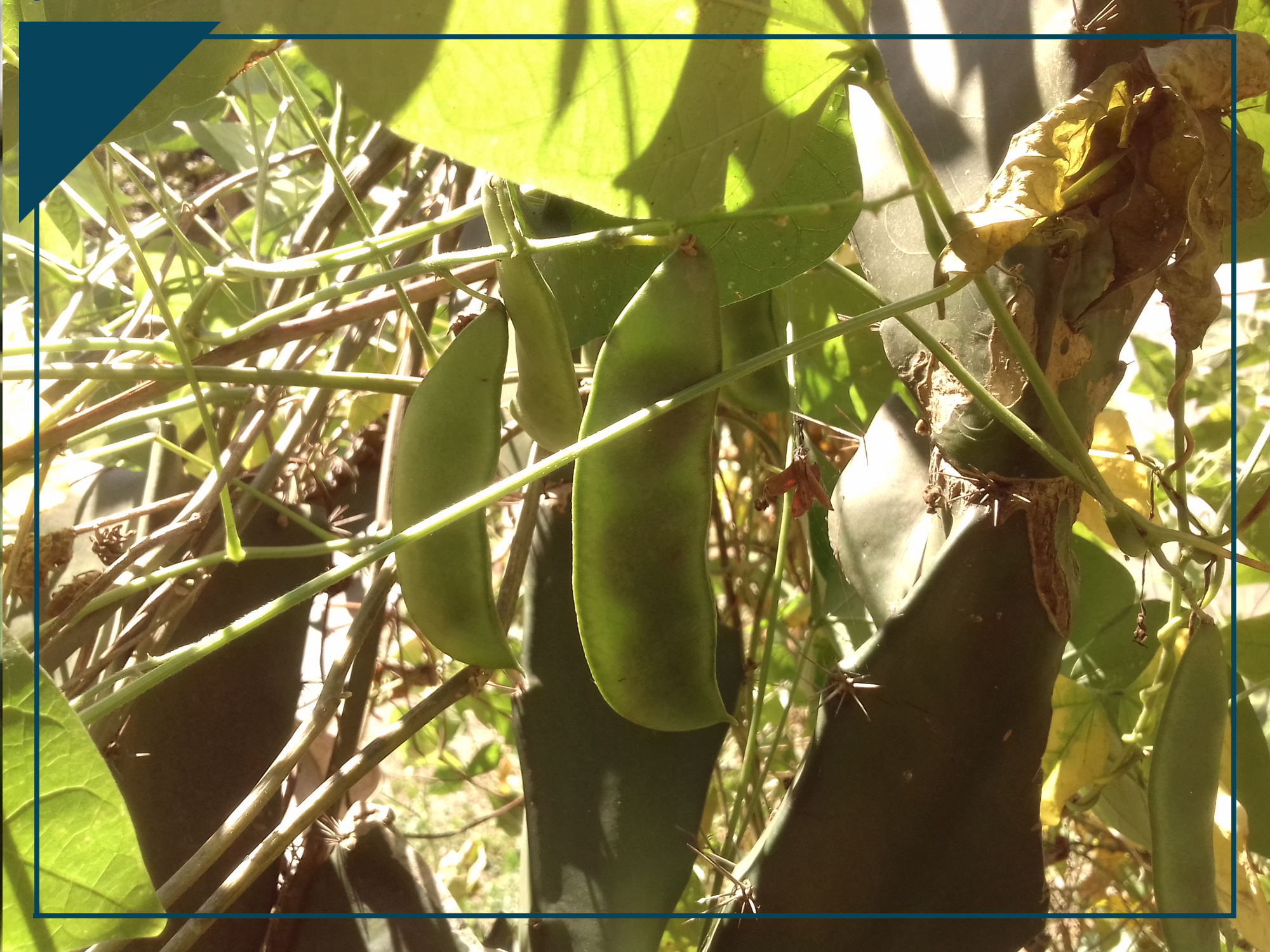
Repositorio
- Acosta-Quezada, P.G., Valladolid-Salinas, E.H., Murquincho-Chuncho, J.M. et al. (2022) Heterogeneous effects of climatic conditions on Andean bean landraces and cowpeas highlight alternatives for crop management and conservation. Sci Rep 12:6586
- Azevedo JN, Franco LJD, Araújo ROC (2003) Composicao química de sete variedades de feijao-fava. Embrapa Meio-Norte, Teresina.
- Almeida C, Pedrosa-Harand A (2013) High macro-collinearity between Lima bean (Phaseolus lunatus L.) and the common bean (P. vulgaris L.) as revealed by comparative cytogenetic mapping. Theor. Appl. Genet. 126: 1909–1916.
- Andueza Noh RH (2013) Domesticación del acervo genético Mesoamericano del frijol Lima (Phaseolus lunatus L.). Tesis de Doctorado en Ciencias Biológicas. Centro de Investigación Científica de Yucatán, A. C.
- Andueza-Noh RH, Serrano-Serrano ML, Chacón-Sánchez MI, Sánchez del Pino I, Camacho-Pérez L, Coello-Coello J, Mijangos-Cortés J, Debouck GD, Martínez-Castillo J (2013) Multiple domestications of the Mesoamerican gene pool of lima bean (Phaseolus lunatus L.): evidence from chloroplast DNA sequences. Genet Resour Crop Evol 60: 1069-1086.
- Andueza-Noh RH, Camacho-Pérez L, Martínez-Castillo J, May-Pat F (2016) Distribución geográfica de los parientes silvestres del acervo genético mesoamericano del frijol Lima (Phaseolus lunatus L.) en México. Polibotánica 41: 101-113.
- Andueza-Noh RH, Martínez-Castillo J, Chacón-Sánchez MI (2015) Domestication of small-seeded lima bean (Phaseolus lunatus L.) landraces in Mesoamerica: evidence from microsatellite markers. Genetica Publicado On line.
- Araujo ASF, Lopes ÂCA, Gomes RLF, Junior JEAB, Antunes JEL, Figueiredo MDVB (2015) Diversity of native rhizobia-nodulating Phaseolus lunatus in Brazil. Legume Research-An International Journal. 38(5): 653-657.
- Assunção-Filho JR, Costa MF, Pinheiro JB, Carvalho LCB, Gomes RLF, Lopes AC (2022) Selection of superior genotypes of lima bean landraces by multivariate approach. Rev Caatinga 35(1):87.
- Assunção-Neto WV, Medeiros AM, Carvalho LCB, Ferreira CS, Lopes ACA, Gomes RLF (2022) Selection of landraces of lima bean for family agriculture. Rev Caatinga 35(1):137–147.
- Ballhorn DJ, Kay J, Kautz S (2014) Quantitative effects of leaf area removal on indirect defense of lima bean (Phaseolus lunatus) in nature. J Chem Ecol 40:294–296.
- Ballhorn DJ, Kautz S, Lion U, Heil M (2008) Trade-offs between direct and indirect defences of lima bean (Phaseolus lunatus). J Ecol 96:971–980.
- Ballhorn DJ, Schädler M, Elias JD, Millar JA, Kautz S (2016) Friend or Foe—Light Availability Determines the Relationship between Mycorrhizal Fungi, Rhizobia and Lima Bean (Phaseolus lunatus L.). PLoS ONE 11(5): e0154116.
- Ballesteros, G. A. (1999). Contribuciones al Conocimiento del Frijol Lima (Phaseolus lunatus L.) en América Tropical. Ph. D. dissertation. Montecillos: Colegio de Postgraduados, Montecillos.
- Barbosa Rocha SM, Lopes Antunes JE, Cavalcante Rocha Silva AV, Melo de Souza Oliveira L, Alves de Aquino JP, Jose de Melo W, do Vale Barreto Figueiredo M, Ferreira de Araujo AS (2019) Nodulation, nitrogen uptake and growth of lima bean in a composted tannery sludge-treated soil. Cienc. Rural 49 (11)
- Barrantes D, Macaya G, Guarino L, Baudoin JP, Rocha OJ. 2008. The impact of local extinction on genetic structure of wild populations of Lima beans (Phaseolus lunatus) in the Central Valley of Costa Rica: consequences for the conservation of plant genetic resources. Revista de Biología Tropical 3:1023–1041.
- Barrera-Sánchez, Carlos Félix et al. 2020. Climate change and potential distribution of lima beans in Mesoamérica and Aridoamérica. Rev. Mex. Cienc. Agríc 11 (6):1361-1375.
- Baudet JC (1977) The taxonomical status of cultivated types of Lima bean (Phaseolus lunatus L.). Trop Grain Legume Bull 7: 29–30.
- Baudoin JP (1988) Genetic resources, domestication and evolution of Lima bean,Phaseolus lunatus. In: Gepts P (ed) Genetic resources of Phaseolus bean. Kluwer Academic Publishers, Amsterdam, pp 393–407.
- Baudoin JP (1993) Lima bean (Phaseolus lunatus L.). Pages 391–403 in G. Kalloo and B.O. Bergh, eds., Genetic improvement of vegetable crops. Pergamon Press, Oxford, UK.
- Baudoin JP, Rocha O, Degreef J, Maquet A, Guarino L (2004) Ecogeography, Demography, Diversity and Conservation of Phaseolus lunatus L. in the Central Valley of Costa Rica. International Plant Genetic Resources Institute.
- Baudoin JP, Barthelemy JP, Ndungo V (1991) Variability of cyanide contents in the primary and secondary gene pools of the lima bean,Phaseolus lunatus L. Plant Genet. Resour. Newsl. 85: 5–9
- Baudoin JP, Degreef J, Hardy O, Janart F, Zoro Bi I (1998) Development of an in situ conservation strategy for wild Lima bean (Phaseolus lunatus L.) populations in the central valley of Costa Rica. In Reproduction Biology, eds S. J. Owens and P. J. Rudall (Kew: Royal Botanic Garden Press), 417–426.
- Bitocchi E, Rau D, Bellucci E, Rodriguez M et al (2017) Beans (Phaseolus ssp.) as a model for understanding crop evolution. Front. Pl. Sci. 8:722.
- Brito-Silva V, Gomes RLF, Lopes ACA, Dias CTS, Oliveira-Silva RN (2015) Genetic diversity and promising crosses indication in lima bean (Phaseolus lunatus) accessions. Semina 36(2):683–692.
- Bonifácio EM, Fonseca A, Almeida C, dos Santos KGB, Pedrosa-Harand A (2012) Comparative cytogenetic mapping between the Lima bean (Phaseolus lunatus L.) and the common bean (P. vulgaris L.). Theor. Appl. Genet. 124: 1513–1520.
- Caicedo AL et al. (1999) AFLP fingerprinting of Phaseolus lunatus L. and related wild species from South America. Crop Sci. 39:1497–1507.
- Camacho-Pérez L, Ferrer-Ortega MM, Martínez-Castillo J, Baudoin JP, Mijangos-Cortes JO, Andueza-Noh RH (2017) Genetic structure of Lima bean (Phaseolus lunatus L.) landraces grown in the Mayan área. Genetic Resources and Crop Evolution.
- Castiñeiras et al (2007) AFLPs and morphological diversity of Phaseolus lunatus L. in Cuban home gardens: approaches to recovering the lost ex situ collection. Biodivers Conserv 16:2847–2865
- Cerda-Hurtado IM et al. (2018) Climatic adaptation and ecological descriptors of wild beans from Mexico. Ecol. Evol. 8:6492–6504.
- Costa CN, Antunes JEL, Lopes ACA, Freitas ADS, Araujo ASF (2020) Inoculation of rhizobia increases lima bean (Phaseolus lunatus) yield in soils from Piauí and Ceará states, Brazil. Rev Ceres 67:419–423
- Costa Neto VP, Mendes JBS, Araújo ASF, Alcântara Neto F, Bonifacio A, Rodrigues AC (2017) Symbiotic performance, nitrogen flux and growth of lima bean (Phaseolus lunatus L.) varieties inoculated with different indigenous strains of rhizobia. Symbiosis. 73(2): 117-124
- Chacón-Sánchez MI, Motta-Aldana JR, Serrano-Serrano ML, Debouck DG (2012) Domestication of Lima Beans: A New Look at an Old Problem. In: Biodiversity in Agriculture: Domestication, Evolution, and Sustainability. P. Gepts, T.R. Famula, R.L. Bettinger et al. (eds). Cambridge University Press. USA.
- Chacón-Sanchez MI, Martínez-Castillo J, Duitama J, Debouck DG (2021) Gene flow in Phaseolus beans: a reason for ecological fitness and expansion of its cultigens? Frontiers in Ecology and Evolution.
- Chacón-Sánchez MI, Martínez-Castillo J (2017) Testing domestication scenarios of Lima bean (Phaseolus lunatus L.) in Mesoamerica: insights from genome-wide genetic markers. Frontiers in Plant Science. 8 (1551): 1-20.
- Chimal-Chan AM (2008) Polinización y flujo génico de Phaseolus lunatus L. en el sur de la Península de Yucatán. Bachelor Dissertation. Instituto Tecnológico de Conkal. Conkal, Yucatán, México.
- da Silva JL, Mendes LW, Rocha SMB, et al. (2022) Domestication of Lima Bean (Phaseolus lunatus) Changes the Microbial Communities in the Rhizosphere. Microbial Ecology. DOI: 10.1007/s00248-022-02028-2. PMID: 35525854.
- Debouck DG (1979) Proyecto de recolección de germoplasma de Phaseolus en México. CIAT-INIA, Centro Internacional de Agricultura Tropical (CIAT), Colombia.
- Debouck DG, Liñan Jara JH, Campana Sierra A, De La Cruz Rojas JH (1987) Observations on the domestication of Phaseolus lunatus L. Plant Genet. Resour. Newsl. 70, 26–32
- Debouck DG (1996) Colombian common and Lima beans: views on their origin and evolutionary significance. Rev. Corpoica 1: 7–15.
- Debouck DG, Maquet A, Posso CE (1989) Biochemical evidence for two different gene pools in Lima beans, Phaseolus lunatus L. Ann Rep Bean Improv Coop 32:58–59.
- Debouck DG (2011) Cahiers de phaseologie: Section Paniculati, 335. CIAT, Cali, Colombia. http://isa.ciat.cgiar.org/urg/showunitfi les.do?type=unitfi les&category=unitfi les&by=collection
- Debouck DG (2008) Notes sur les différents taxons de Phaseolus á partir des Herbiers-Section Paniculati. 2008. Disponible en: URL: http://www.ciat.cgiar.org/urg:233
- Degreef J, Rocha OJ, Vanderborght T, Baudoin JP (2002) Soil seed bank and seed dormancy in wild populations of lima bean (Fabaceae): considerations for in situ and ex situ conservation. Am. J. Bot. 89:1644–1650.
- Delgado-Salinas A, Turley T, Richman A, Lavin M (1999) Phylogenetic analysis of the cultivated and wild species of Phaseolus (Fabaceae). Syst. Bot. 24:438–460.
- Delgado-Salinas A, Bibbler R, Lavin M (2006) Phylogeny of the genus Phaseolus (Leguminosae): A recent diversifi cation in an Ancient landscape. Systematic Botany 31:779–791.
- Delgado-Salinas A, Gama-López S (2015) Diversidad y distribución de los frijoles silvestres en México. Revista Digital Universitaria 16. http://www.revista. unam.mx/vol.16/num12/art10/index.html.
- Dobert RC, Blevins DG (1993) Effect of seed size and plant growth on nodulation and nodule development in lima bean (Phaseolus lunatus L.). Plant Soil. 148: 11-19.
- Dohle S, Berny Mier y Teran JC, Egan A, Kisha T, Khoury CK (2019) Wild Beans (Phaseolus L.) of North America. In North American Crop Wild Relatives, eds S. Greene, K. Williams, C. Khoury, M. Kantar, and L. Marek (Cham: Springer), 99–127.
- Dohle S (2017) Development of Resources for Lima Bean (Phaseolus lunatus) Breeding and Genetics Research. Doctoral Dissertation, University of California Davis.
- Dzul-Tejero F, Coello-Coello J, Martínez-Castillo J (2014) Wild to crop introgression and genetic diversity in Lima bean (Phaseolus lunatus L.) in traditional Mayan milpas from Mexico. Conservation Genetics. 15: 1315-1328.
- Durán D, Rey L, Mayo J, Zúñiga-Dávila D, Imperial J, Ruiz-Argüeso T, Martínez-Romero E, Ormeño-Orrillo E (2014) Bradyrhizobium paxllaeri sp. nov. and Bradyrhizobium icense sp. nov., nitrogen-fixing rhizobial symbionts of lima bean (Phaseolus lunatus L.) in Perú. International journal of systematic and evolutionary microbiology. 64(6): 2072-2078. Erickson, H. T. 1982. Lima bean legacy. Hort Science 17:702.
- Erickson, H. T. 1982. Lima bean legacy. Hort Science 17:702.
- Esquivel M, Castiñeiras L, Hammer K (1990) Origin, classification, variation and distribution of lima bean (Phaseolus lunatus L.) in the light of Cuban material. Euphytica 49: 89–97.
- Freytag GF, Debouck DG (2002) Taxonomy, distribution, and ecology of the genus Phaseolus (Leguminosae–Papilionoideae) in North America, Mexico, and Central America. Bot. Res. Inst., Fort Worth, TX. Taxonomy, distribution, and ecology of the genus Phaseolus.
- Fofana B, Vekemans X, Jardin P, Baudoin JP (1997) Genetic diversity in Lima bean (Phaseolus lunatus L.) as revealed by RAPD markers. Euphytica 95:157-165.
- Fofana B, Baudoin JP, Vekemans X, Debouck DG, Du Jardin P (1999) Molecular evidence for an Andean origin and a secondary gene pool for the Lima bean (Phaseolus lunatus L.) using chloroplast DNA. Theoretical and Applied Genetics 98:202–212.
- Fofana B, du Jardin P, Baudoin JP (2001) Genetic diversity in the Lima bean (Phaseolus lunatus L.) as revealed by chloroplast DNA (cpDNA) variations. Genet Resour Crop Evol 48:437–445.
- Garcia T, Duitama J, Smolenski Zullo S, Gil J, Ariani A, Dohle S, Palkovic A, Skeen P, Bermudez C, Debouck DG, Martínez-Castillo J, Gepts J, Chacón-Sánchez MI (2021) Comprehensive genomic resources related to domestication and crop improvement traits in Lima bean. Nature Communications.
- Gepts P (1990) Biochemical evidence bearing on the domestication of Phaseolus (Fabaceae) beans. Econ Bot 44:28–38.
- Gomes RLF, Costa MF, Alves-Pereira A, Bajay MM, Viana JPG, Valente SES, Lopes ACA, Zucchi MI, Pinheiro JB (2020) A lima bean core collection based on molecular markers. Sci Agric 77(2): e20180140.
- Guimarães WN, Martins LS, Silva EF, Ferraz GMG, Oliveira FJ (2007) Caracterização morfológica e molecular de acessos de feijão-fava (Phaseolus lunatus L.). Rev Bras Eng Agríc Ambient 11:37–45.
- Gutiérrez Salgado A, Gepts P, Debouck DG (1995) Evidence for two gene pools of the Lima bean,Phaseolus lunatus L., in the Americas. Genet. Resour. Crop Evol. 42:15–28.
- Hardy O, Dubois S, Zoro Bi I, Baudoin JP (1997) Gene dispersal and its consequences on the genetic structure of wild populations of lima bean (Phaseolus lunatus) in Costa Rica. Plant Genet. Resour. Newsl. 109: 1–6.
- Heredia-Pech M, Chávez-Pesqueira M, Ortiz-García MM, Andueza-Noh RH, Chacón-Sánchez MI, Martínez-Castillo J (2022) Consequences of introgression and gene flow on the genetic structure and diversity of Lima bean (Phaseolus lunatus L.) in its Mesoamerican diversity área. PeerJ.
- IBPGR. 1982. Descriptors for Lima bean. International Board for Plant Genetic Resources, Rome, Italy.
- Kaplan L (1965) Archeology and domestication in American Phaseolus (beans). Econ Bot 19:358–368
- Kaplan L, Lynch TF (1999) Phaseolus (Fabaceae) in archaeology: AMS. Econ Bot 53:261–272
- Kaplan L, Kaplan LN (1988) Phaseolus in archaeology. In: Genetic resources of Phaseolus beans. Dordrecht: Kluwer Academic Publisher.
- Kaplan L, Kaplan LN (1992) Beans of the Americas. Pp. 61–79. In: Chilies to Chocolate: Food the Americas Gave the World. N Foster and LS Cordell (eds.). The University of Arizona Press. Tucson, Arizona, USA.
- Kautz S, Trisel JA, Ballhorn DJ (2014) Jasmonic acid enhances plant cyanogenesis and resistance to herbivory in lima bean. J Chem Ecol 40:1186–1196.
- Lioi L (1996) Phaseolin diversity in wild Lima bean (Phaseolus L.) in American centres of origin. Genet Resour Crop Evol 43:575–580
- Li F, Cao D, Liu Y, Yang T, Wang G (2015) Transcriptome sequencing of lima bean (Phaseolus lunatus) to identify putative positive selection in Phaseolus and legumes. International journal of molecular sciences. 16(7): 15172-15187
- Lioi L (1994) Morphotype relationships in Lima bean (Phaseolus lunatus L.) deduced from variation of the evolutionary marker phaseolin. Genetic Resources and Crop Evolution 41:81-85.
- Lioi L, Galazo I (2002) Oligonucleotide DNA fngerprinting revealing polymorphism in Phaseolus lunatus L. Genet Resour Crop Evol 49:53–58.
- Lioi L, Lotti C, Galasso I (1998) Isozyme diversity, RFLP of the rDNA and phylogenetic affinities among cultivated Lima beans, Phaseolus lunatus L. (Fabaceae). Plant Systematics and Evolution 213:153-164.
- Lioi L, Sparvoli F, Bollini R (1999) Variation and genomic polymorphism of lectin-related proteins in lima bean (Phaseolus lunatus L.) seeds. Genet Resour Crop Evol 46:175–182.
- Lopéz Soto JL, Ruiz CJA, Sánchez GJJ, Lépiz IR (2005) Climatic adaptation of 25 wild bean species (Phaseolus spp.) in Mexico. Rev Fitotec Mex 28:221–230
- Lopes ÂCA, Gomes RLF, Araújo ASF (2015). Phaseolus lunatus: Diversity, Growth and Production. New York: Nova Science Inc.
- Lopes ACA, Gomes RLF, Araújo ASF (2010) A cultura do feijao-fava no Meio-Norte do Brasil. EDUFPI, Teresina.
- López-López A, Negrete-Yankelevich S, Rogel MA, Ormeño-Orrillo E, Martínez J, Martínez-Romero E (2013) Native bradyrhizobia from Los Tuxtlas in Mexico are symbionts of Phaseolus lunatus (Lima bean). Syst Appl Microbiol 36: 33–38.
- Lustosa-Silva JD, Ferreira‑Gomes RL, Martínez-Castillo J, Castelo Branco Carvalho L, Furtado de Oliveira L, Ortiz-García MM, Sánchez‑Sosa AG, Ribeiro da Silva G, Ferreira Costa M, Brito Silva V, Celis de Almeida Lopes A. 2022. Genetic diversity and erosion in lima bean (Phaseolus lunatus L.) in Northeast Brazil. Genetic Resources and Crop Evolution.
- Mackie W (1943) Origin, dispersal, and variability of the Lima bean, Phaseolus lunatus. Hilgardia 15: 1–29.
- Maquet A, Gutiérrez A, Debouck DG (1990) Further biochemical evidence for the existence of two gene pools in lima bean. Ann. Rep. Bean Improv. Coop. 33:128–129.
- Maquet A (1991). Lima bean ( Phaseolus lunatus L.) catalogue. Working document No. 80. Centro Internacional de Agricultura Tropical (CIAT), Cali, Colombia.
- Maquet A (1995) Etude de la diversité génetique de la légumineuse alimentaire Phaseolus lunatus L. par l’analyse de caracteres morphophysiologiques et de marqueurs protéiques. Thése de Doctorat, Faculté Universitaire des Sciences Agronomiques, Gembloux, Belgique.
- Maquet A, Vekemans XZ, Baudoin JP (1999) Phylogenetic study on wild allies of lima bean, Phaseolus lunatus L. (Fabaceae), and implications on its origin. Plant Systematics and Evolution 218:43-54.
- Maquet A, Zoro Bi I, Rocha OJ, Baudoin JP (1996) Case studies on breeding systems and its consequences for germplasm conservation. I. Isoenzyme diversity in wild Lima bean populations in Central Costa Rica. Genet Resour Crop Evol 43:309–318.
- Maquet A, Zoro Bi I, Delvaux M, Wathelet B, Baudoin JP (1997) Genetic structure of a Lima bean base collection using allozyme markers. Theoretical and Applied Genetics 95:980- 991.
- Maquet A, Baudoin JP (1997) Apercu de la distribution néotropicale de Phaseolus lunatus (A survey of the neotropical distribution of Phaseolus lunatus). Belgian J. Bot. 130: 93-116
- Maquet A, Masumbuko B, Ouedraogo M, Zoro Bi I, Baudoin JP (2001) Estimation of gene flow among wild populations of Phaseolus lunatus L. using isozyme markers. Ann. Rep. Bean Improv. Coop. 44:27–28.
- Matsubara M, Zúñiga-Dávila D (2015) Phenotypic and molecular differences among rhizobia that nodulate Phaseolus lunatus in the Supe valley in Perú. Annals of microbiology. 65(3): 1803-1808.
- Martínez-Castillo J (2005) Diversidad intraespecífica de Phaseolus lunatus L. e intensificación de la agricultura tradicional en la Península de Yucatán, México. Tesis de doctorado, Posgrado en Ciencias Biológicas, Centro de Investigación Científica de Yucatán A. C., Mérida, México.
- Martínez-Castillo J, Camacho-Pérez L, Villanueva-Viramontes S, Andueza-Noh RH, Chacón-Sanchéz MI (2014) Genetic structure within the Mesoamerican gene pool of wild Phaseolus lunatus L. (Fabaceae) from Mexico as revealed by microsatellite markers: Implications for conservation and domestication of the species. American Journal of Botany. 101(5): 851–864.
- Martínez-Castillo J, Camacho-Pérez L, Coello-Coello J, Andueza-Noh RH (2012) Wholesale replacement of Lima bean (Phaseolus lunatus L.) landraces over the last 30 years in northeastern Campeche, Mexico. Genetic Resources and Crop Evolution 59: 191-204.
- Martínez-Castillo J, Colunga-GarcíaMarín P, Zizumbo-Villarreal D (2008) Genetic erosion and in situ conservation of Lima bean ( Phaseolus lunatus L.) landraces in its Mesoamerican diversity center. Genetic Resources and Crop Evolution 55: 1065-1077.
- Martínez-Castillo J, Zizumbo-Villarreal D, Gepts P, Colunga-GarcíaMarín P (2007) Gene flow and genetic structure in the wild-weedy-domesticated complex of Lima bean (Phaseolus lunatus L.) in its Mesoamerican center of domestication and diversity. Crop Science 47: 58-66.
- Martínez-Castillo J, Zizumbo-Villarreal D, Gepts P, Delgado-Valerio P, Colunga-GarcíaMarín P (2006) Structure and Genetic Diversity of Wild Populations of Lima Bean (Phaseolus lunatus L.) from the Yucatan Peninsula, Mexico. Crop Science 46: 1071-1080.
- Martínez-Castillo J, Zizumbo-Villarreal D, Perales-Rivera H, Colunga-GarcíaMarín P (2004) Intraespecific diversity and morpho-phenological variation in Phaseolus lunatus L. from the Yucatan Peninsula. Economic Botany 58 (3): 354-380.
- Martínez-Castillo J (2015) Consideraciones sobre la importancia del muestreo en los estudios de la domesticación de plantas: el caso del frijol Lima (Phaseolus lunatus) en México. Desde el Herbario CICY 7: 17-22.
- Martínez Castillo J, Dzul-Tejero F (2017) Introgresión genética entre poblaciones silvestres y domesticadas: importancia e implicaciones para los centros de origen y domesticación de cultivos. Desde el Herbario CICY 9:48-53.
- Martínez-Castillo J, Andueza-Noh RH, Camacho-Pérez L, Dzul-Tejero F, Coello-Coello J, Ortiz García MM, Carrillo-Galván G (2014). Current state of knowledge of the Lima bean (Phaseolus lunatus L.) in Mexico. Legume Perspectives 2: 55-57.
- Martínez-Castillo J, May-Pat F, Camacho-Pérez L, Andueza-Noh RH, Dzul-Tejero F (2016) Genetic erosion and in situ conservation of Lima bean (Phaseolus lunatus L.) landraces in Mesoamerican diversity center. /In/: Ahuja M. R. and Mojan Jain S. Genetic erosion in plants: case histories Vol. 2 (capítulo 8: paginas 285-306). Springer Springer International Publishing pp. 438. Switzerland.
- Martínez-Castillo J, Andueza-Noh RH, Chacón Sánchez MI. Recent advances in the study of the evolución of Lima bean (Phaseolus lunatus L.) in Mexico. 2015. /In/: Celis de Almeida Lopes A., Ferreira Gomes R. L., and Ferreira de Araujo A. S. (Eds). Phaseolus lunatus: Diversity, Growth and Production. Nova Sciences Publishers Inc. pp. 163. Nueva York, USA. Capítulo 3, paginas 43-62.
- Martínez-Castillo J, Peralta Idrovo E, Peralta Idrovo F, Peralta Idrovo H, León-Cadena A (2022) El papel del juego en la domesticación de plantas. Desde el Herbario CICY 14: 168–173.
- Martínez-Castillo J, Colunga-GarcíaMarín P, Zizumbo-Villarreal D, May-Pat F, Coello-Coello J. 2009. Domestication and Conservation Genetics of Lima bean (Phaseolus lunatus L.) in its Mesoamerican Diversity Center. In: Arn T. Danforth (ed.). Corn Crop Production: Growt, Fertilization and Yield. Nova Sciences Publishers Inc. pp. 337. Nueva York, USA. ISBN: 978-1-60741- 955-6. Capítulo 4, páginas 187-226.
- Martínez-Nieto MI, González-Orenga S, Soriano P, Prieto-Mossi J, Larrea E, Doménech-Carbó A, Tofei AM, Vicente O, Mayoral O (2022) Are Traditional Lima Bean (Phaseolus lunatus L.) Landraces Valuable to Cope with Climate Change? Effects of Drought on Growth and Biochemical Stress Markers. Agronomy 12: 1715.
- Martínez-Nieto M, Estrelles E, Prieto-Mossi J, Roselló J, Soriano P (2020) Resilience capacity assessment of the traditional Lima Bean (Phaseolus lunatus L.) landraces facing climate change. Agronomy 10: 758.
- Millar JA, Ballhorn DJ (2013) Effect of mycorrhizal colonization and light limitation on growth and reproduction of lima bean (Phaseolus lunatus L.). J Appl Bot Food Qual 86:172–179.
- Montero-Rojas M et al (2013) Genetic, morphological and cyanogen content evaluation of a new collection of Caribbean Lima bean (Phaseolus lunatus L.) landraces. Gen Resour Crop Evol 60: 2241–2252.
- Motta-Aldana JR et al. (2010) Multiple origins of Lima bean landraces in the Americas: evidence from chloroplast and nuclear DNA polymorphisms. Crop Sci. 50: 1773–1787.
- Nienhuis J, Tivang J, Skroch P, Santos JB (1995) Genetic relationships among cultivars and landraces of Lima bean (Phaseolus lunatus L.) as measured by RAPD markers. J Am Soc Horticultur Sci 120:300–306.
- Oliveira AP, Alves EU, Alves AU, Dornelas CSM, Silva JA, Porto ML, Alves AV (2004) Producao de feijao-fava em funcao do uso de doses de fósforo em um neossolo regolítico. Hortic Bras 22:543–546.
- Oliveira Silva RN, Lobo Burle M, Gomes Pádua J, Celis de Almeida Lopes A, Ferreira Gomes RL, Martínez-Castillo J (2017) Phenotypic variation in Lima bean landraces cultivated in Brazil, using the Ward-MLM strategy. Chilean Journal of Agricultural Research 77 (1): 35-40.
- Ormeño-Orrillo E, Vinuesa P, Zúñiga-Dávila D, Martínez-Romero E (2006) Molecular diversity of native bradyrhizobia isolated from Lima bean (Phaseolus lunatus L.) in Peru, Systematic and Applied Microbiology 29 (3):253-262.
- Ormeño E, Torres R, Mayo J, Rivas R, Peix A, Velázquez E, Zúniga D (2007) Phaseolus lunatus is nodulated by a phosphate solubilizing strain of Sinorhizobium meliloti in a Peruvian soil. In: Velázquez, E. Rodríguez-Barrueco, C. (Eds). Developments in Plant and Soil Sciences. Springer-Verlag. The Netherlands. 243-247 p.27.
- Ormeño-Orillo E, Zuniga D, Martínez-Romero E (2015). Biodiversity of nitrogen-fixing nodule bacteria associated with lima bean (Phaseolus lunatus L.) in its domestication centers. In: Lopes ÂCA, Gomes RLF, Araújo ASF (Eds). Phaseolus lunatus: Diversity, Growth and Production, Publisher: Nova Science Publishers
- Ouédraogo M, Baudoin JP (2002) Comparative analysis of genetic structure and diversity in wild Lima bean populations from the Central Valley of Costa Rica, using microsatellite and isozyme markers. Annual Report of the Bean Improvement Cooperative 45:240–241.
- Ouédraogo M, Maquet A, Baudoin JP (2005) Étude comparative de la diversité et de la structure génétique de populations sauvages de Phaseolus lunatus L. à l’aide des marqueurs enzymatiques et microsatellites. Biotechnologie, Agronomie, Société et Environnement 3:195–205.
- Penha JS, Silvestre EA, Lopes ACA, Viana JPG, Gomes Ferreira RL, Pinheiro JB, Assuncao Filho JR, Martínez-Castillo J (2016) Estimation of natural outcrossing rate and genetic diversity in Lima bean ( Phaseolus lunatus L. var. lunatus) from Brazil using SSR markers: implications for conservation and breeding. Genetic Resources and Crop Evolution.
- Peralta E., Peralta F. y Peralta H. 2019. Lúdica y juegos con el frijol en Ecuador, Perú y Bolivia. Letra Sabia Servicios Editoriales. Quito, Ecuador. 216 pp.
- Pires CJ, Costa MF, Zucchi MI, Ferreira-Gomes RL, Pinheiro JB, Viana JPG, Bajay MM, Assunção-Filho JR, Lopes ACA (2022) Genetic diversity in accessions of lima bean (Phaseolus lunatus L.) determined from agro-morphological descriptors and SSR markers for use in breeding programs in Brazil. Genet Resour Crop Evol
- Rodrigues do Amorim M, Lopes Antunes je, Melo de Souza Oliveira L, Barbosa Rocha SM, Alves Aquino JP, do Vale Barreto Figueiredo M, Ferreira de Araújo AS (2019) Current knowledge and future prospects of lima bean (Phaseolus lunatus)-rhizobia simbiosis. Rev. FCA UNCUYO. 51(2): 280-28
- Ruíz-Gil P, Chepe-Cruz G, Andueza-Noh RH, Ortiz-García MM, Martínez-Castillo J (2016) Differentiation and genetic diversty of Phaseolus lunatus wild populations from Chiapas, México, and their genetic relationships with MI and MII groups. Botanical Sciences 94 (4): 701-712.
- Ruiz-Santiago RF, Ballina-Gómez HS, Ruiz-Sánchez E, Martínez-Castillo J, Garruña-Hernández R, Andueza-Noh RH (2021) Determining relevant traits for selecting landrace accessions of Phaseolus lunatus L. for insect resistance. PeerJ 9:e12088.
- Ruíz-Gil PJ, Martínez-Castillo J (2017) Una gama de colores: los ibes de la península de Yucatán. Desde el Herbario CICY 9:142-146.
- Santos JO, Araújo ASF, Gomes RLF, Lopes ACA, Figueiredo MVB (2009) Ontogeny of nodulation in lima bean (Phaseolus lunatus). Brazilian Journal of Agricultural Research. 4: 426-429.32.
- Santos JO, Antunes JEL, Lyra MCCP, Araujo ASF, Gomes RLF, Lopes ACA, Figueiredo MVB (2011) Genetic diversity among isolates of Rhizobia from Phaseolus lunatus. Annals Microbiology. 61: 437-444.
- Santos JO, Araújo ASF, Gomes RLF, Lopes ACA, Figueiredo MVB (2008) Rhizobia Phaseolus lunatus Symbiosis: Importance and diversity and tropical soils- a review. Dynamic Soil, Dynamic Plant 2:56-60.
- Santos JO, Gomes RLF, Lopes ACA, Silva SCCC, Bastos EM, Costa EMR, et al. (2010) Genetic divergence for physical and chemical characters of seeds in lima bean (Phaseolus lunatus L.) Annual Report of the Bean Improvement Cooperative 53:178-179.
- Serrano-Serrano ML, Hernández-Torres J, Castillo-Villamizar G, Debouck DG, Chacón Sánchez MI (2010) Gene pools in wild Lima bean (Phaseolus lunatus L.) from the Americas: evidences for an Andean origin and past migrations. Mol. Phylogenet. Evol. 54: 76–87.
- Serrano-Serrano M, Andueza-Noh RH, Martínez-Castillo J, Debouck DG, Chacón-Sánchez MI (2012) Evolution and domestication of Lima Bean (Phaseolus lunatus L.) in Mexico: evidence from Ribosomal DNA. Crop Science 52: 1698-1712.
- Silva VB, Gomes RLF, Lopes ACA, Dias CTS, Silva RNO (2015) Genetic diversity and promising crosses indication in lima bean (Phaseolus lunatus) accessions. Semina. Ciências Agrárias 36:683-692.
- Silva RNO, Lopes ACA, Gomes RLF, Pádua JG, Burle ML (2019) High diversity of cultivated lima beans (Phaseolus lunatus) in Brazil consisting of one Andean and two Mesoamerican groups with strong introgression between the gene pools. Genet Mol Res 18(4):18441.
- Silva Sousa RM, William Mendes L, Lopes Antunes JE, Melo de Souza Oliveira L, de Cassia Batista Sousa AM, Ferreira Gomes RL, de Almeida Lopes AC, Fernando Araújo F, Maciel Melo VM, Ferreira Araujo AS (2020) Diversity and structure of bacterial community in rhizosphere of lima bean. Applied Soil Ecology 150:
- Soares LADC, Silva JDL, Silva VB, Ferreira CS, Batista de Sousa AMDC, Costa MF, Lopes ACA, Gomes RLF (2022) On-farm conservation in Phaseolus lunatus L: an alternative for agricultural biodiversity. Agroecol Sustain Food Syst 46:1–18.
- Sousa AMCB, Silva VBD, Lopes ACA, Gomes RLF, Carvalho LCB (2020) Prediction of grain yield, adaptability, and stability in landrace varieties of lima bean (Phaseolus lunatus L.). Crop Breed Appl Biotechnol
- Suárez-Barón H, Martínez-Garay C, Gonzalez-Torres RI, Duque MC, Debouck DG, Thome J (2007) Determination of gene flow events in natural wild-weedy-cultivated complexes in gene pools of Phaseolus lunatus L. External Program and Management Reviews (EPMRs). CIAT Colombia
- Toro Chica O, Lareo L, Debouck DG (1993) Observations on a noteworthy wild Lima bean, Phaseolus lunatus L., from Colombia. Annu. Rep. Bean Improv. Coop. 36: 53–54 .
- Vargas EM, Castro E, Macaya G, Rocha OJ (2003) Variation in the size of fruits and seeds in 38 wild populations of Phaseolus lunatus (Fabaceae) from Central Valley of Costa Rica. Revista de Biología Tropical 51:707-724.
- Webster BD, Lynch SP, Tucker CL (1979) A morphological study of the development of reproductive structures of Phaseolus lunatus L. J. Am. Soc. Hortic. Sci. 104: 240–243
- Zoro Bi I, Maquet A, Degreef J, Wathelet B, Baudoin JP (1998) Sample size for collecting seeds in germplasm conservation: the case of the lima bean (Phaseolus lunatus L.). Theoretical and Applied Genetics 97:187–194.
- Zoro Bi I (1999) Variabilité génétique des populations sauvages de Phaseolus lunatus L. dans la vallée centrale du Costa Rica et ses implications dans la mise ou point d’ une stratégíe de conservation in situ. Ph. D. thesis. Faculte´ Universitaire des Sciences Agronomiques, Gembloux, Belgium.
- Zoro Bi I, Maquet A, Baudoin JP (2003) Population genetic structure of wild Phaseolus lunatus (Fabaceae), with special reference to population sizes. Am. J. Bot. 90: 897–904.
- Zoro Bi I, Maquet A, Baudoin JP (2005) Mating system of wild Phaseolus lunatus L. and its relationships with population size. Heredity 94:153–158.